

Bamboo min temp, does include mean wind chill?
20 years ago
Sort by:Oldest
Comments (5)
Related Stories
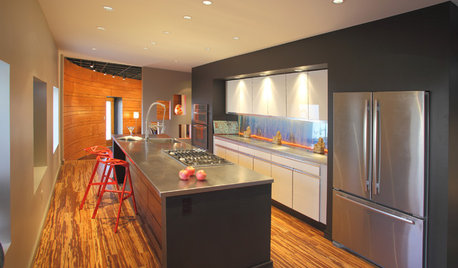
GREEN DECORATINGBamboo Products — Earth Friend or Foe?
The ecofriendliness of this grass for flooring, wall coverings and furniture isn't cut and dried. Get the facts here
Full Story
GREEN BUILDINGZero Net Energy: A Hardworking-House Term to Know
Homes that consume only as much energy as they produce by renewable means are a goal for builders. Learn what ZNE means for you
Full Story
KITCHEN DESIGNStay Cool About Picking the Right Refrigerator
If all the options for refrigeration leave you hot under the collar, this guide to choosing a fridge and freezer will help you chill out
Full Story
FIREPLACESUpdated Woodstoves Keep Home Fires Burning
Better technology means more efficiency than ever for modern woodstoves
Full Story
LIFEIs Cabin Fever Real? Share Your Story
Are snow piles across the U.S. leading to masses of irritability and boredom? We want to hear your experience
Full Story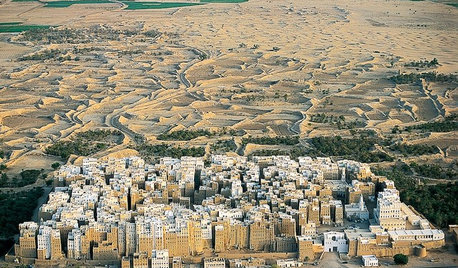
EVENTSOn Show: The Ingenuity of Ancient Architecture
A German exhibit celebrates the diversity of traditional homes built with materials at hand
Full Story
FUN HOUZZHouzz Call: Tell Us About Your Dream House
Let your home fantasy loose — the sky's the limit, and we want to hear all about it
Full Story
LIFEPolar Vortex: How Houzzers Are Coping With the Storm
Spirits are staying high even as the mercury plunges to new lows. Do any of these firsthand accounts sound familiar?
Full Story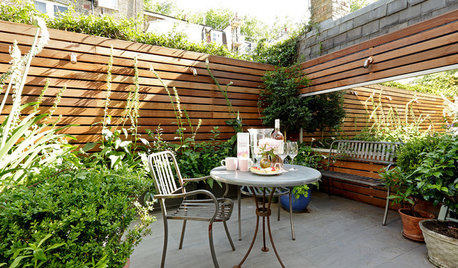
CONTAINER GARDENSPocket Gardens, Pint-Size Patios and Urban Backyards
A compact outdoor space can be a beautiful garden room with the right mix of plantings, furniture and creativity
Full Story
LIFEHouzz Call: How Are You Handling the Record-Breaking Cold?
Share your tales, strategies and photos for everything polar vortex
Full StorySponsored

Innovative & Creative Custom Closet Designer Servicing Franklin County
More Discussions
chuckr30Original Author
lkz5ia
Related Professionals
Evansville Landscape Architects & Landscape Designers · Owensboro Landscape Architects & Landscape Designers · Asheville Landscape Architects & Landscape Designers · Altoona Landscape Architects & Landscape Designers · Sioux Falls Landscape Architects & Landscape Designers · Springfield Landscape Contractors · Hilton Head Island Landscape Contractors · Plymouth Landscape Contractors · Hackettstown Landscape Contractors · Manhattan Landscape Contractors · Oxnard Landscape Contractors · Salt Lake City Landscape Contractors · Lawton Architects & Building Designers · Nashua Architects & Building Designers · Ottawa Architects & Building Designerstcstoehr
kentuck_8b
mike_marietta_sc_z8a