

PBS program
16 years ago
Sort by:Oldest
Comments (7)
Related Stories
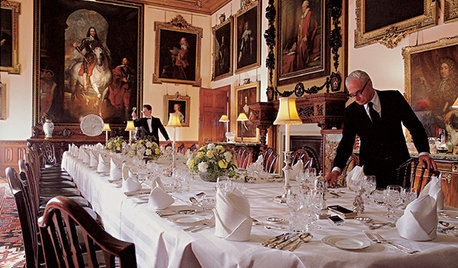
FUN HOUZZEverything I Need to Know About Decorating I Learned from Downton Abbey
Mind your manors with these 10 decorating tips from the PBS series, returning on January 5
Full Story
LAUNDRY ROOMSDouble-Duty Savvy: 10 Supersmart Laundry Room Combos
Throw some extra function in along with the fabric softener to spin your laundry room into mutitasking mode
Full Story
DECORATING GUIDESCelebrating the Great American Quilt
They speak of family, history and beauty. Is it any wonder quilts transcend design styles?
Full Story
FUN HOUZZ15 Cool Rooms and the TV Shows They Want You to Watch
Get nestled in with the fall 2014 premieres, some old favorite shows and a coordinating nosh
Full Story
REMODELING GUIDESLessons of the Eameses
See how the Eames house's color blocks and modular design has inspired modern home design
Full Story
HOUSEKEEPING10 Chores You Can Whip Through During Commercials
Use ad time for getting tasks done, and it’s like fast-forwarding your house into cleanliness
Full Story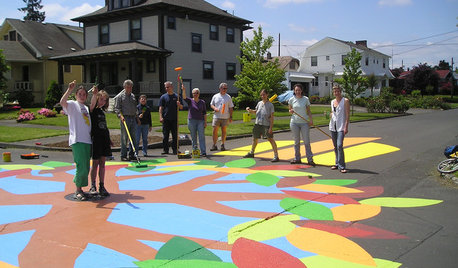
COMMUNITYCommunity Building Just About Anyone Can Do
Strengthen neighborhoods and pride of place by setting up more public spaces — even small, temporary ones can make a big difference
Full Story
LIFEA Month-by-Month Guide to ‘Downton Abbey’ Withdrawal
Missing Lady Grantham’s zingers? Edith’s furrowed brow? Romance simmering downstairs? Here’s help to get you through until season 6
Full Story
LIFEHard Winter? 9 Ways to Battle Cabin Fever
We know a lot of you are trapped where it just won’t stop snowing. Here are some ways to survive
Full Story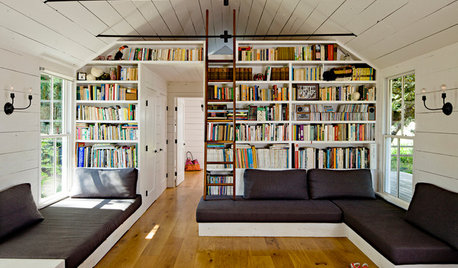
LIFE'Not My Precious Books!' — Pain-Free Ways to Declutter Your Library
Have your books and neatness too, with these ideas for paring down and straightening up a beloved collection
Full Story
kr222
mboston_gwOriginal Author
Related Professionals
Auburn Landscape Architects & Landscape Designers · Monroe Landscape Architects & Landscape Designers · Provo Landscape Architects & Landscape Designers · Huntsville Landscape Contractors · Hagerstown Landscape Contractors · Olean Landscape Contractors · Madison Home Builders · Pittsburg Home Builders · Waterbury Home Builders · Champaign Home Builders · Oneonta Home Builders · Pueblo Home Builders · Amarillo Home Builders · Coos Bay Home Builders · Salem Home Buildersmboston_gwOriginal Author
mboston_gwOriginal Author
tdogmom
susanlynne48
mboston_gwOriginal Author