

Oak Leaf Hydrangea ??
19 years ago
Sort by:Oldest
Comments (7)
Related Stories
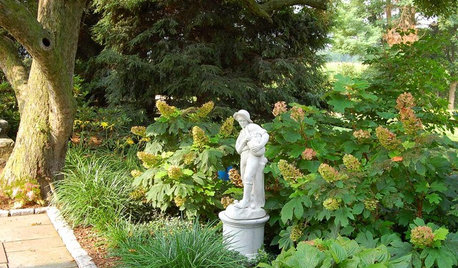
GARDENING GUIDESGreat Design Plant: Oakleaf Hydrangea
Consider this full, flowering shrub for year-round beauty in the garden as you plan your fall plantings
Full Story
GARDENING AND LANDSCAPINGHave a Ball With Hydrangeas
Even if you don't tinker with the hue by changing the soil, hydrangeas have an entertaining range of uses in all kinds of landscapes
Full Story
TRAVEL BY DESIGNHouzz TV: Take a Leaf-Peeping Road Trip in New England
Ride along with a Houzz contributing photographer to see gorgeous autumn eye candy from New York to New Hampshire
Full Story
CRAFTSCelebrate Fall With Silk-Screened Leaf Candleholders
An unexpected twist takes these stackable embellished candleholders from wonderful seasonal decor into the realm of art
Full Story
GARDENING GUIDESCelebrate Eastern Oaks for Wildlife, Longevity and Seasonal Interest
There might not be a more important tree to have in your eastern U.S. landscape — if you can fit one in
Full Story
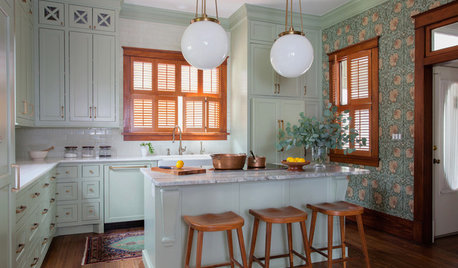
KITCHEN OF THE WEEKKitchen of the Week: Goodbye, Honey Oak — Hello, Minty Green
After more than 30 years, the Kloesels revamped their space to reflect their rural country town and Victorian-style home
Full Story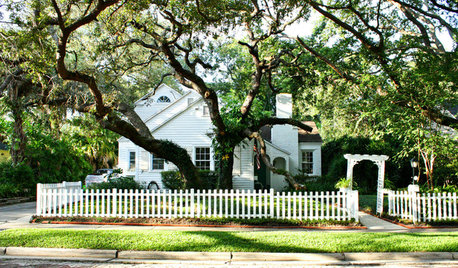
TREESGreat Design Plant: Southern Live Oak Offers an Unbeatable Canopy
Keep it dense or prune it for more light. No matter how you grow Quercus virginiana, it’s a majestic addition to its native landscape
Full Story
HOUZZ TOURSMy Houzz: Stately Southern Charm in a Federalist-Style Home
Moss-covered oak trees, European antiques and contemporary style set off this Louisiana home
Full Story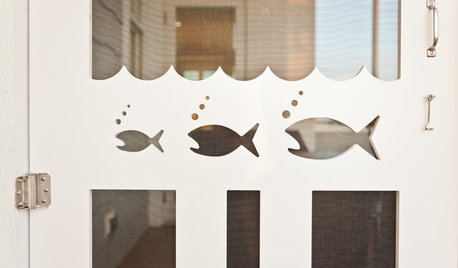
TRIMShutter Cutouts: A Window to One's Soul?
To settle on the perfect shape for this simple detail, follow your heart — or diamond, or maple leaf
Full Story
Sponsored
rhizo_1 (North AL) zone 7
MissSherry
Related Professionals
Spartanburg Landscape Architects & Landscape Designers · Boston Landscape Architects & Landscape Designers · Minneapolis Landscape Architects & Landscape Designers · Pittsburgh Landscape Architects & Landscape Designers · Sacramento Landscape Architects & Landscape Designers · Las Cruces Landscape Architects & Landscape Designers · Salem Landscape Architects & Landscape Designers · Alexandria Landscape Contractors · College Station Landscape Contractors · Sterling Landscape Contractors · Pine Bluff Home Builders · Cookeville Home Builders · Richmond Home Builders · Edison Home Builders · Queens Home BuildersmimidiOriginal Author
susanlynne48
mboston_gw
mimidiOriginal Author
susanlynne48