

What does this mean?
19 years ago
Sort by:Oldest
Comments (9)
Related Stories
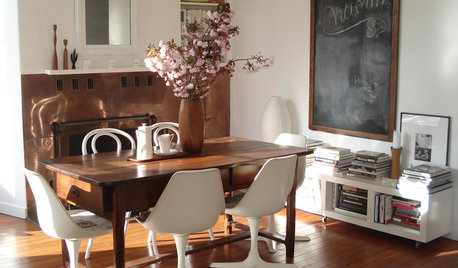
DECORATING GUIDESVintage Modern: What Does It Mean?
Objects With History Warm Up Clean Lines in Fresh, Eclectic Interiors
Full Story
INSIDE HOUZZHow Much Does a Remodel Cost, and How Long Does It Take?
The 2016 Houzz & Home survey asked 120,000 Houzzers about their renovation projects. Here’s what they said
Full Story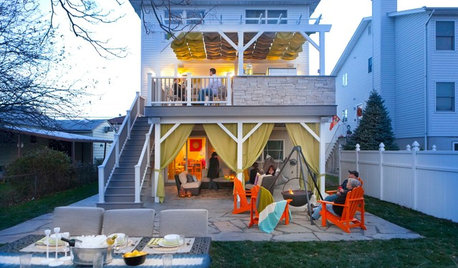
LIFEHouzz Call: What Does Summer Look Like at Your Home?
Kids, water, sunshine, backyards, cold drinks — share photos of what summer at home means to you
Full Story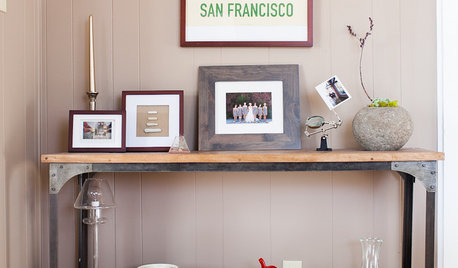
DECORATING GUIDES8 Ways to Decorate With Love and Meaning
Surround yourself with happy memories, inspiring messages and delightful drawings for a home that brings joy every day
Full Story
REMODELING GUIDESContractor Tips: What Your Contractor Really Means
Translate your contractor's lingo to get the communication on your home project right
Full Story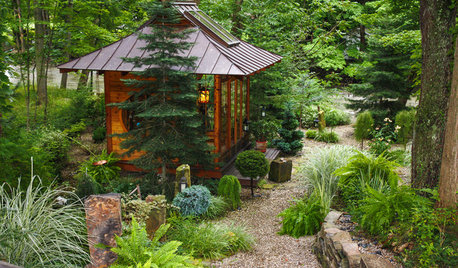
LANDSCAPE DESIGNMysticism and Meaning Meet in an Ohio Artist’s Gardens
Step into landscape scenes rife with symbolism, inspired by math, philosophy and the stars
Full Story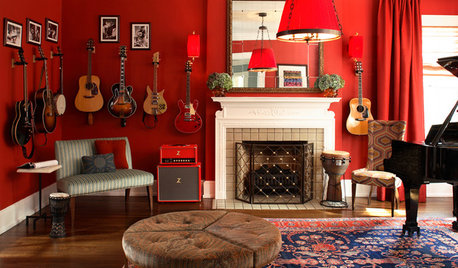
REDThe Meaning of Color: Red
Red is perceived as energetic, powerful, bold and lucky. Find out about the color’s roots in design, spiritual thought and nature
Full Story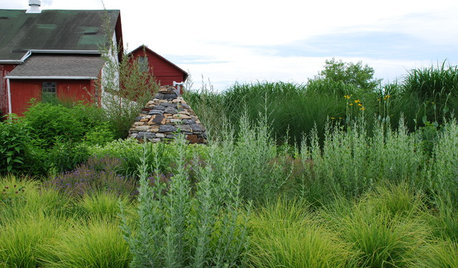
LANDSCAPE DESIGNProblem Solving With the Pros: An Abundant Garden Stretches Its Means
Swaths of resilient, eye-catching plants thrive with little care or resources in the landscape of a Pennsylvania farmhouse
Full Story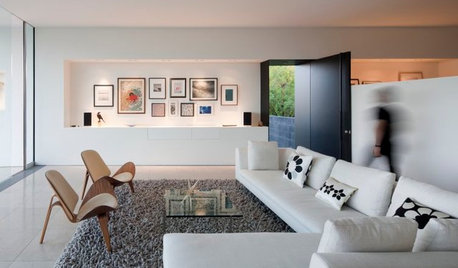
ARCHITECTURE10 Custom Doors That Uncover Meaning
Break out of the standard-door rut by learning a significance that few people ever consider
Full Story
HOMES AROUND THE WORLDMy Houzz: Simplicity and Meaning in a City Apartment in Sweden
Essential and treasured items provide just enough personality for this medical student’s 3-room flat in Gothenburg
Full Story
LisaCLV
bodigglyOriginal Author
Related Professionals
Baltimore Landscape Architects & Landscape Designers · Elmira Landscape Architects & Landscape Designers · Sacramento Landscape Architects & Landscape Designers · Ottawa Landscape Architects & Landscape Designers · Sebring Landscape Contractors · Emporia Landscape Contractors · Annapolis Landscape Contractors · Rutland Landscape Contractors · Marinette Landscape Contractors · North Adams Architects & Building Designers · Lewiston Architects & Building Designers · Los Angeles Architects & Building Designers · Liberal Architects & Building Designers · Boise Architects & Building Designers · Queens Architects & Building Designersbob740
LisaCLV
bambi_too
bob740
bambi_too
stephania
LisaCLV