

How far will Ca. pipevine butterflies fly?
17 years ago
Sort by:Oldest
Comments (4)
Related Stories
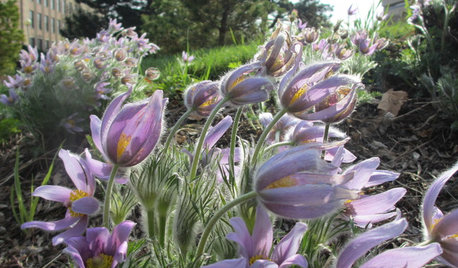
GARDENING GUIDES6 Plants That Beat Butterfly Bush for the Wildlife Draw
It's invasive, a nonnative and a poor insect magnet. Check out these better alternatives to butterfly bush in the garden
Full Story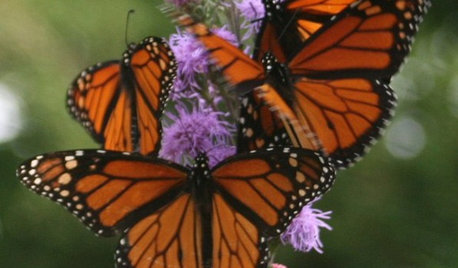
GARDENING FOR BUTTERFLIESButterfly Gardening: Delight the Eyes With Living Sculptures
Surprise and thrill with a garden that attracts magical winged creatures, bringing color, movement and life
Full Story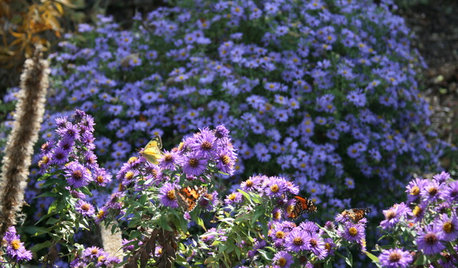
FLOWERS15 Native Flowers That Attract Butterflies
By picking plants from this list that are right for your location, you’ll get colorful blooms and support pretty pollinators
Full Story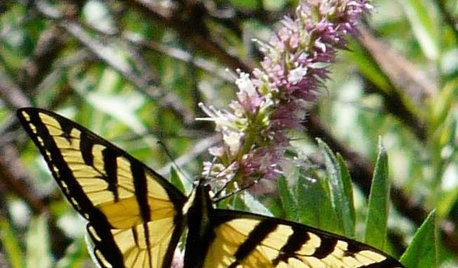
GARDENING AND LANDSCAPING9 Flowers That Draw Butterflies
Charm winged beauties and human visitors alike with these enticing, fragrant and colorful blooms for the garden
Full Story
GARDENING FOR BUTTERFLIES3 Ways Native Plants Make Gardening So Much Better
You probably know about the lower maintenance. But native plants' other benefits go far beyond a little less watering and weeding
Full Story
GARDENING FOR BUTTERFLIESGardening for the Bees, and Why It’s a Good Thing
When you discover how hard bees work for our food supply, you may never garden without them in mind again
Full Story
GARDENING FOR BUTTERFLIESA Quick-Start Guide to Bird-Watching for Fun and Learning
Set out some seed and grab your field guide. Bird-watching is an easy, entertaining and educational activity for the whole family
Full Story
GARDENING GUIDESAttract Hummingbirds and Bees With These Beautiful Summer Flowers
Roll out a welcome mat for pollinators to keep your landscape in balance and thriving
Full Story
GARDENING GUIDESGreat Design Plant: Texas Ranger Explodes With Color
If purple is your passion, embrace Leucophyllum frutescens for its profusion of blooms and consider the unfussiness a bonus
Full StoryGARDENING GUIDESHow to Find the Right Native Plants for Your Yard
Find plant maps, sale sites and guides that make going native in the garden easier than ever
Full Story
todancewithwolves
ladobe
Related Professionals
Elizabethtown Landscape Architects & Landscape Designers · Anderson Landscape Architects & Landscape Designers · Longview Landscape Architects & Landscape Designers · Anniston Landscape Architects & Landscape Designers · Bloomington Landscape Architects & Landscape Designers · Hackettstown Landscape Architects & Landscape Designers · Murrieta Landscape Architects & Landscape Designers · Missoula Landscape Architects & Landscape Designers · Owensboro Landscape Contractors · Grand Island Landscape Contractors · Modesto Landscape Contractors · Missoula Landscape Contractors · Elizabethtown Home Builders · Enid Home Builders · Las Vegas Home BuildersBob_BOriginal Author
ladobe