

Butterfly ID?
16 years ago
Sort by:Oldest
Comments (5)
Related Stories
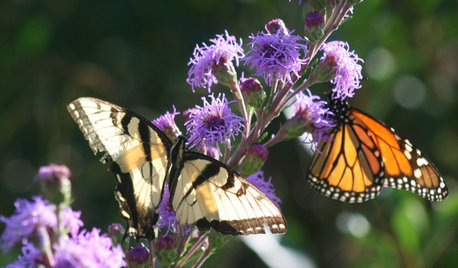
FALL GARDENINGWhat Monarch Butterflies Taught Me About Garden Design
Thinking like a butterfly leads to fresh perspectives in the garden and in life
Full Story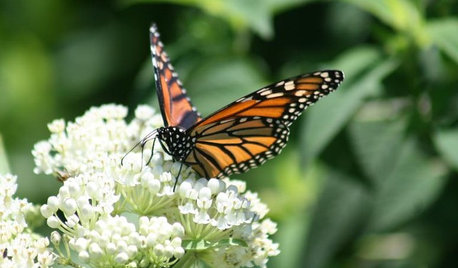
GARDENING FOR BUTTERFLIESBe a Butterfly Savior — Garden for the Monarchs
Keep hope, beauty and kindness alive in the landscape by providing a refuge for these threatened enchanters
Full Story
Are Butterflies the New Birds?
Let these pretty winged creatures be the new totem of hip décor
Full Story
GARDENING GUIDES6 Plants That Beat Butterfly Bush for the Wildlife Draw
It's invasive, a nonnative and a poor insect magnet. Check out these better alternatives to butterfly bush in the garden
Full Story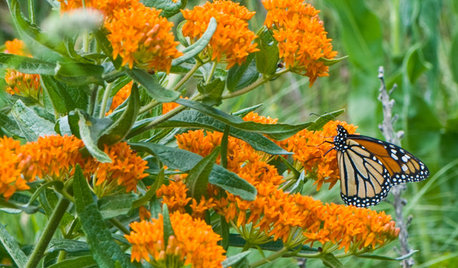
GARDENING GUIDESGreat Design Plant: Butterfly Milkweed, a Beacon in the Prairie
Vivacious orange flowers for you, nectar for the butterflies and bees. Asclepias tuberosa is worth planting for more reasons than one
Full Story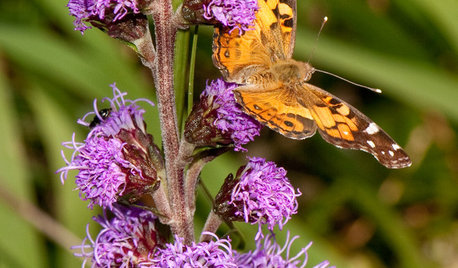
GARDENING GUIDESAmerican Lady Butterflies Add Delight to Summer Gardens
Provide native nectar and larval host plants to welcome these migratory butterflies
Full Story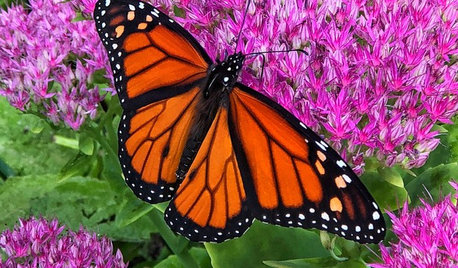
GARDENING GUIDES6 Steps to Creating Your Butterfly Garden
Encourage these fanciful winged beauties to visit your garden while helping restore their fragmented habitat
Full Story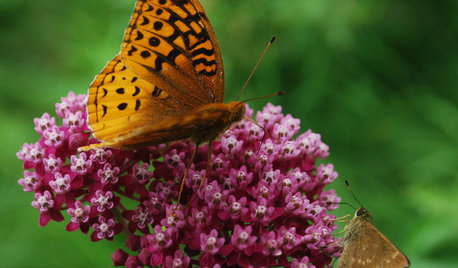
GARDENING GUIDESGreat Design Plant: Asclepias Incarnata for a Butterfly Garden
Beautiful swamp milkweed makes it easy to help monarchs and other pollinators in eastern U.S. gardens
Full Story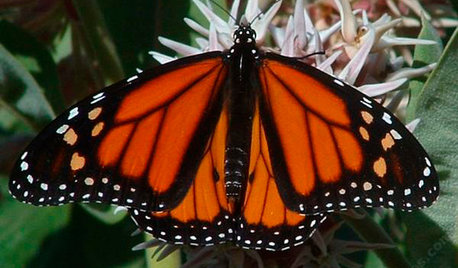
CALIFORNIA NATIVE PLANTSGreat Design Plant: Asclepias Is Attractive to Monarch Butterflies
Increase monarch butterfly populations in California by planting stunning native milkweeds
Full Story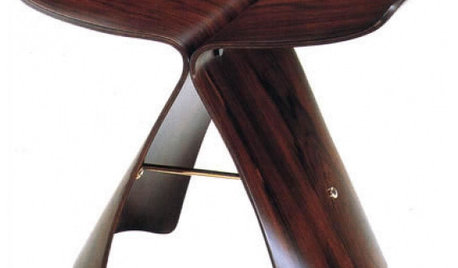
FURNITUREModern Icons: Sori Yanagi's Butterfly Stool
Rooms take flight with the organic beauty of this sculptural midcentury modern seat
Full Story
Sponsored
ladobe
MissSherry
Related Professionals
York Landscape Architects & Landscape Designers · Fort Dodge Landscape Architects & Landscape Designers · Aurora Landscape Architects & Landscape Designers · Tuscaloosa Landscape Contractors · Topeka Landscape Contractors · Aiken Landscape Contractors · Altoona Landscape Contractors · Chico Landscape Contractors · Yakima Landscape Contractors · Lufkin Home Builders · Clarksburg Home Builders · Utica Home Builders · Marinette Home Builders · Murrieta Home Builders · Kalispell Home Buildersfeather_z9_ncacoastOriginal Author
ladobe
feather_z9_ncacoastOriginal Author