

Aphids are winning
15 years ago
Sort by:Oldest
Comments (4)
Related Stories
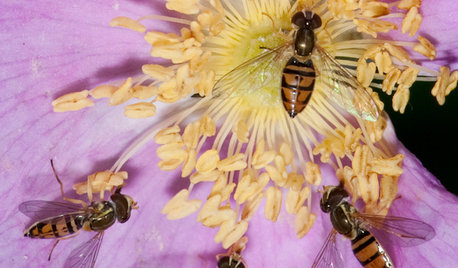
GARDENING GUIDESThis Fly Is One of the Most Beneficial Insects Around
Meet the syrphid fly, a colorful pollinator that also beats chemicals for controlling aphids and other garden pests
Full Story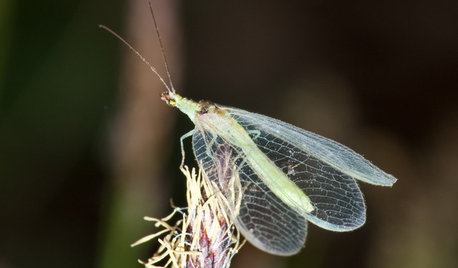
GARDENING GUIDESLook Out for Lacewings: Beneficial Insects Coming to a Garden Near You
Lacewings are delicate insects that produce alligator-like, hungry offspring that devour aphids and other garden pests
Full Story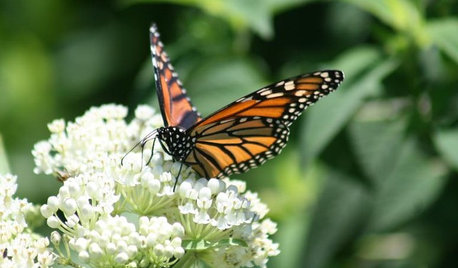
GARDENING GUIDESGreat Design Plant: Milkweed
Quit cringing. This not-weed plant is a sight to behold in the garden, has a delicious vanilla scent and is a magnet for butterflies
Full Story
WINTER GARDENINGPruning Secrets for Exquisite Roses
Encourage gorgeous blooms year after year with this time-tested advice on how to prune your rosebush in winter for health and shape
Full Story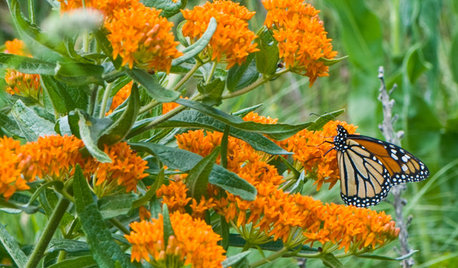
GARDENING GUIDESGreat Design Plant: Butterfly Milkweed, a Beacon in the Prairie
Vivacious orange flowers for you, nectar for the butterflies and bees. Asclepias tuberosa is worth planting for more reasons than one
Full Story
GARDENING GUIDESWe Bust 4 More Native Plant Myths
Have you been taken in by these fallacies about gardening with native plants?
Full Story
GARDENING GUIDES5 Invaluable Life Lessons From the Garden
The garden is both teacher and healer. Don't be afraid — dig in and reap the benefits
Full Story
FALL GARDENING7 Reasons Not to Clean Up Your Fall Garden
Before you pluck and rake, consider wildlife, the health of your plants and your own right to relax
Full Story
GARDENING GUIDESHow to Switch to an Organic Landscape Plan
Ditch the chemicals for a naturally beautiful lawn and garden, using living fertilizers and other nontoxic treatments
Full Story
EDIBLE GARDENSSummer Crops: How to Grow Watermelons
You might not need as much space as you think to get this summer mainstay to spring up in your garden
Full Story
Sponsored
docmom_gw
bob_71
Related Professionals
Dalton Landscape Architects & Landscape Designers · Southaven Landscape Architects & Landscape Designers · Knoxville Landscape Architects & Landscape Designers · Nashua Landscape Architects & Landscape Designers · Lima Landscape Architects & Landscape Designers · Birmingham Landscape Contractors · Mount Vernon Landscape Contractors · York Landscape Contractors · Brainerd Landscape Contractors · Sacramento Landscape Contractors · San Jose Landscape Contractors · Hot Springs Home Builders · Killeen Home Builders · Chico Home Builders · Longview Home Builderscaterwallin
bananasinohio