

alternate host for sbs & ps
19 years ago
Sort by:Oldest
Comments (3)
Related Stories
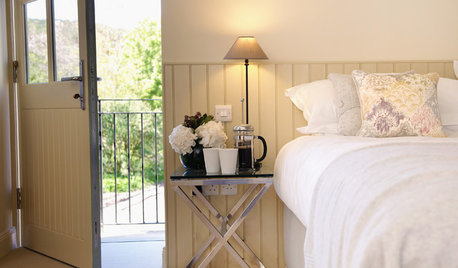
LIFEHow to Stay Relaxed When Hosting Overnight Guests
Make sure their visit goes smoothly by following these simple steps
Full Story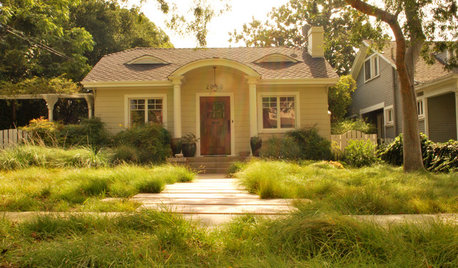
MOST POPULARMeet a Lawn Alternative That Works Wonders
Carex can replace turfgrass in any spot, is low maintenance and adjusts easily. Add its good looks and you’ve got a ground cover winner
Full Story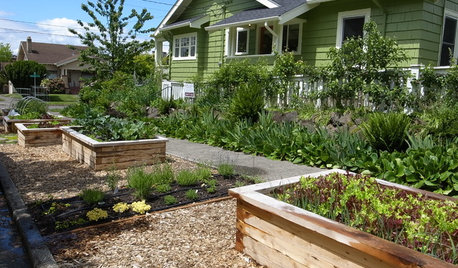
BEFORE AND AFTERSSee 6 Yards Transformed by Losing Their Lawns
Wondering whether a turf lawn is the best use of your outdoor space? These homeowners did, and they found creative alternatives
Full Story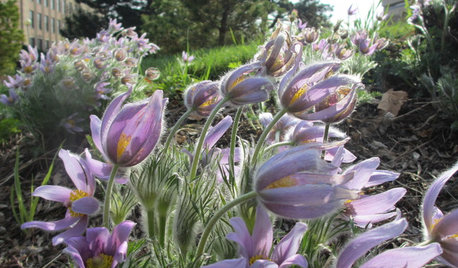
GARDENING GUIDES6 Plants That Beat Butterfly Bush for the Wildlife Draw
It's invasive, a nonnative and a poor insect magnet. Check out these better alternatives to butterfly bush in the garden
Full Story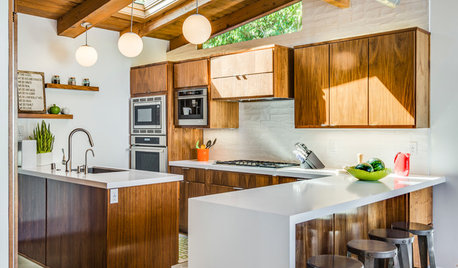
KITCHEN CABINETSNew This Week: 3 Modern Kitchens That Rock Warm Wood Cabinets
Looking for an alternative to bright white? Walnut cabinetry offers the perfect tone to warm things up
Full Story
MOST POPULARHouzzers Deck the Halls
From traditional to quirky to innovative, readers show their Christmas tree style
Full Story
LIFEHouse Rule: Off With Your Shoes
Do you prefer your guests to go shoeless in your house? Here are some ways to encourage stockinged feet
Full Story
BATHROOM VANITIESBetter Places to Stash That Soap
Banish gloppy bars and flimsy pumps, and the only things you’ll need to clean are your hands
Full Story
LIFEModern Manners for Conflict-Free Family Visits
Avoid thermostat wars, pet peeves and the great shower squeeze with these tips for having family as houseguests
Full Story
MOST POPULARHow to Hang the American Flag at Home
We’ll show you how to display the American flag on your house for Memorial Day, the Fourth of July or all year round
Full Story
Sponsored
MissSherry
bigthicketgardensOriginal Author
Related Professionals
Ocala Landscape Architects & Landscape Designers · Athens Landscape Architects & Landscape Designers · St. Louis Landscape Architects & Landscape Designers · Memphis Landscape Architects & Landscape Designers · Vancouver Landscape Architects & Landscape Designers · Palm Bay Landscape Contractors · Rock Hill Landscape Contractors · Willmar Landscape Contractors · Worthington Landscape Contractors · Grand Forks Landscape Contractors · Gainesville Home Builders · Natchez Home Builders · Torrington Home Builders · Des Moines Home Builders · Coldwater Home BuildersMissSherry