

Feeding different milkweed OK?
18 years ago
Sort by:Oldest
Comments (7)
Related Stories
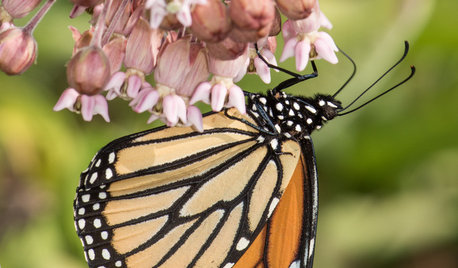
FLOWERS AND PLANTSHelp Monarchs and Other Butterflies by Planting Common Milkweed
Summer-blooming Asclepias syriaca is an important larval host plant for the monarch butterfly and attracts a number of pollinating insects
Full Story
GARDENING GUIDESGreat Design Plant: Milkweed
Quit cringing. This not-weed plant is a sight to behold in the garden, has a delicious vanilla scent and is a magnet for butterflies
Full Story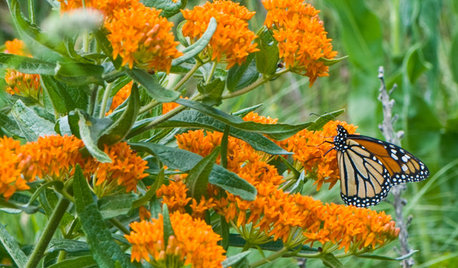
GARDENING GUIDESGreat Design Plant: Butterfly Milkweed, a Beacon in the Prairie
Vivacious orange flowers for you, nectar for the butterflies and bees. Asclepias tuberosa is worth planting for more reasons than one
Full Story
GARDENING FOR BIRDSFeed the Birds: 6 Plants for Abundant Winter Berries
Be kind to your fair feathered friends during lean food times by planting a shrub or tree loaded with nutritious snacks
Full Story
GARDENING GUIDES15 Native Flowers That Feed Native Bees
These perennials offer superfood to hundreds of bees and are gorgeous in their own right
Full Story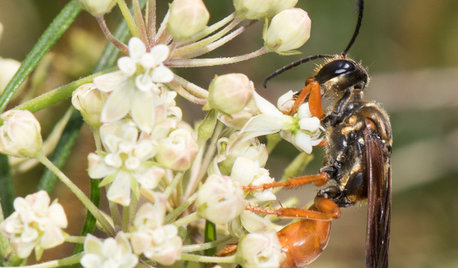
GARDENING GUIDESGreat Design Plant: Asclepias Verticillata
Plant whorled milkweed in dry central and eastern U.S. gardens to attract monarch butterflies and other insect pollinators
Full Story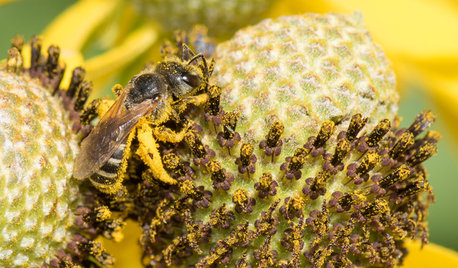
GARDENING GUIDESWelcome Sweat Bees to Your Garden Throughout the Growing Season
Look before you swat! These friendly sweat bees will feed on your sweat on a hot summer day, but their main buffet is flowers
Full Story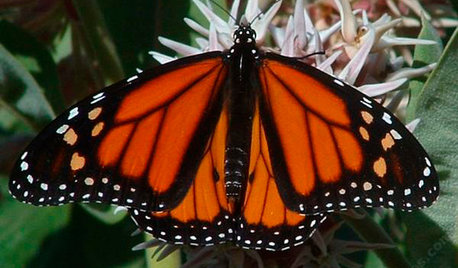
CALIFORNIA NATIVE PLANTSGreat Design Plant: Asclepias Is Attractive to Monarch Butterflies
Increase monarch butterfly populations in California by planting stunning native milkweeds
Full Story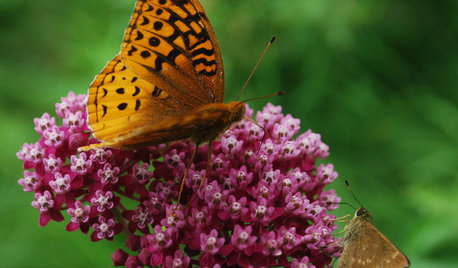
GARDENING GUIDESGreat Design Plant: Asclepias Incarnata for a Butterfly Garden
Beautiful swamp milkweed makes it easy to help monarchs and other pollinators in eastern U.S. gardens
Full Story
GARDENING GUIDESMourning Cloak Butterflies Herald Spring
These butterflies feed at tree-sap flows in spring and visit native plant flowers for nectar in early summer
Full Story
awgaupp
tdogmom
Related Professionals
Fredericksburg Landscape Architects & Landscape Designers · New Haven Landscape Architects & Landscape Designers · Trenton Landscape Architects & Landscape Designers · Stockton Landscape Architects & Landscape Designers · Spartanburg Landscape Contractors · Galveston Landscape Contractors · Victoria Landscape Contractors · Middletown Landscape Contractors · Show Low Landscape Contractors · Napa Landscape Contractors · Wenatchee Landscape Contractors · Orangeburg Home Builders · Clovis Home Builders · Helena Home Builders · Riverton Home Builderstiffy_z5_6_canOriginal Author
joepyeweed
tiffy_z5_6_canOriginal Author
joepyeweed
tdogmom