Software
Houzz Logo Print
crittergirl_gw

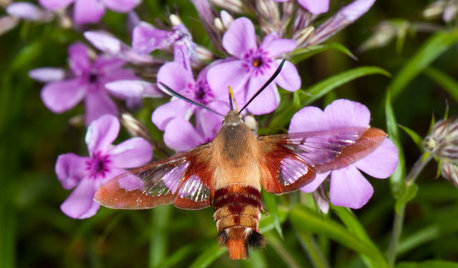
Snowberry Clearwing moth question

19 years ago

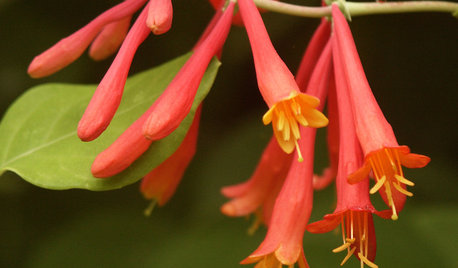
I followed a female Snowberry Clearwing moth and watched her lay a number of {{gwi:541228}} in my garden. What confuses me is where she laid the eggs. She seemed to lay them on various species of plants, none of them being the honeysuckle I planted specifically for the clearwings. I didn't recognize most of the plants she used, but one was a trumpet vine. Does anyone know if the caterpillars can actually eat all these different plants, or should I put some honeysuckle leaves in with the eggs?

Comments (6)

  • 19 years ago

    It's not unusual for many species of moths (most more primitive than the true butterflies) to lay their ova haphazardly. Some are so lazy they simply drop them while in flight even on bare soil. Generally it'still in close proximity to one of the accepted larval foodplants the female has detected, but still leaving it up to the larva to find dinner. Clear wings (Hemaris) are not general feeders, so if you are bringing the ovum indoors to rear you will need to provide plant they will dine on. (honeysuckle, snowberry, dogbane, etc)

    HTH,

    L.

  • 19 years ago

    Thanks! I have no idea if we have snowberry or not, so I'll stick with the honeysuckle.

  • 19 years ago

    I've raised several of the Snowberry Clearwings, and they are real easy IMHO. I put them in a large clear container with about 4-6" of sterile potting soil in the bottom. I cut honeysuckle stems and stand them upright in the soil. Honeysuckle stems keep very well, but I replace them with new stems daily. Depending on the number of larva you're raising (I usually put about 4-6 larva in one of those big plastic pretzel jars from Sam's), I cut about 4 stems about 6-8" long and stick the stems in the soil. The larva will climb and feed on the leaves.

    They will pupate in the soil. I don't disturb them when they go underground. I wait about a week to 10 days and then check them.

    At this point, yours may overwinter as pupa. But, it is safe to leave them outdoors in the soil to emerge in spring. Make sure the container is somewhere it won't get knocked over by wind or rain or ravaging animals. Yes, I've had a possum try to get in my container outdoors. I don't know if it would actually eat the pupa or not.

    I bring mine in for the winter once the temps get into the 40s at night. I remove the pupa from the soil and put them in a Glad container with shredded paper towels. I also keep another container of water in the veggie bin in the fridge along with the container of the moth pupa.

    Once a month during the winter, I brought the containers out and gave the pupa a "water bath" with the water in the container that was the same temperature as the container of pupa. I then placed them back in the container with the shredded paper towels and back in the fridge they went.

    This is Bill Oehlke's recommended method for overwintering sphinx pupa. I did this last year, and it worked great. I took the container with the pupae outside around the end of April (after our last frost date) and left them. They took well over a month to emerge, but they were fine.

    Good luck! They are such fun! They were much smaller than I thought they were going to be. They really are about the size of a bumble bee.

    Susan

  • 19 years ago

    Thanks so much for all that detailed info, susanlynne! I was going to use my 10 gal aquarium, but since I only have two eggs (and there's not telling if either are even viable this early on), I have a very small critter cage I think I'll thoroughly clean and put to use.

    Assuming one or both eggs produce larvae, how do I get them onto the proper food plant? They'll be so minute I'll be afraid of touching them. But at least I have a ton of honeysuckle, so no worries about feeding them.

    We've always enjoyed the clearwings in our yard, so I'm hoping I'll get the chance to raise a one or two now. I've always worked with butterflies before, so this will be a big change.

  • 19 years ago

    I have never actually found eggs before, so you're ahead of me on that. I usually bring in the tiny cats I find.

    You can put the leaf the egg is on, in a small Glad container or something similar. With the Tersa eggs I found, I just put the egg and some fresh tender leaves on a very slightly damp folded paper towel. Every day, I would change out the foliage so that I had fresh foliage when the eggs hatched. The tiny cat will climb onto the fresh foliage. Their first meal is usually the eggshell.

    Are any of the eggs on Viburnum? They also use this as a host plant.

    If you can find any more eggs, I'd bring in at least 5 or 6 (or more) because you have a better chance of getting 1 or 2 (possibly more) viable eggs.

    These cats get about the size of a large Monarch caterpillar. They don't get as large as some of the other sphinx moths, because they are very small moths (about the size of a bumblebee). Accordingly, they don't eat as much as the larger sphinx cats. Here's a couple I raised last year. There is a brown form and a green form:

    {{gwi:477659}}

    On the green form, in about the 2nd or 3rd instar of growth, you'll see a dark brown line along the bottom of the caterpillar.

    They are fun, so I hope you enjoy!

    Susan

  • 19 years ago

    Unfortunately I have no way of identifying the plants the eggs were laid on. There's a patch of the garden that's entirely weeds right now, and that includes some bushes that we've never been able to kill. I'll just put some honeysuckle leaves close to the eggs and hope for the best.

    There were other eggs, but I went looking yesterday and couldn't find them. I'll have to cross my fingers that at least one of these eggs is good. If not, well, I can try again next year.

    Right now I do have the leaves with the eggs on a moistened paper towel in a small container. That's the way I usually raise my butterflies, so I figured it would work for moth eggs/cats as well.

Sponsored
Peabody Landscape Group
Average rating: 3.5 out of 5 stars8 Reviews
Columbus' Reliable Landscape Design & Contracting