

Need Help With Overwintering BSTs
16 years ago
Sort by:Oldest
Comments (6)
Related Stories
GARDENING AND LANDSCAPINGBe a Citizen Scientist to Help Wildlife, Learn and Have Fun Too
Track butterflies, study birds, capture stars ... when you aid monitoring efforts, you’re lending Mother Nature a hand
Full Story
GARDENING GUIDES6 Steps to Creating Your Butterfly Garden
Encourage these fanciful winged beauties to visit your garden while helping restore their fragmented habitat
Full Story
FALL GARDENINGReflecting on a Gardening Year
Mistakes and successes, surprises and comforts. The garden helps us grow in new ways every year
Full Story
GARDENING GUIDESGreat Golden Digger Wasp: A Beneficial Flower-Visiting Insect
Introducing the great golden digger wasp, a colorful pollinator that also hunts foliage-eating insects
Full Story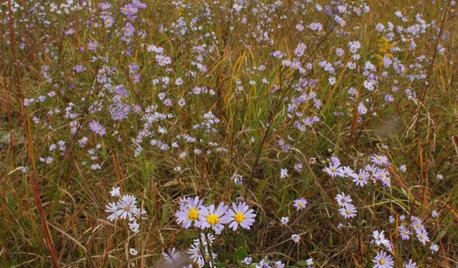
GARDENING GUIDES15 Native Flowers That Feed Native Bees
These perennials offer superfood to hundreds of bees and are gorgeous in their own right
Full Story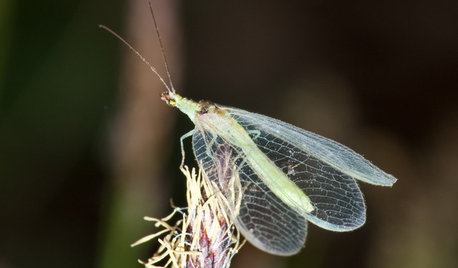
GARDENING GUIDESLook Out for Lacewings: Beneficial Insects Coming to a Garden Near You
Lacewings are delicate insects that produce alligator-like, hungry offspring that devour aphids and other garden pests
Full Story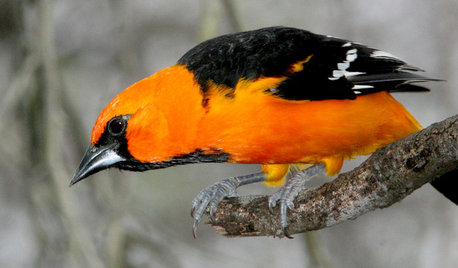
GARDENING GUIDESBackyard Birds: Orioles Return After Spending Winter in the Tropics
These colorful songbirds prefer woodlands and forest edges, but they’ll visit yards with fruit-producing trees and shrubs
Full Story
GARDENING GUIDESNo-Regret Plants: 5 Questions Smart Shoppers Ask
Quit wasting money and time at the garden center. This checklist will ensure that the plants you're eyeing will stick around in your yard
Full Story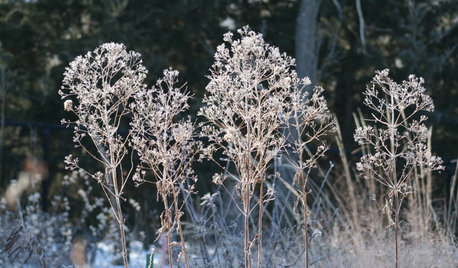
WINTER GARDENING10 Native Wildflowers to Beautify Your Winter Garden
They stand strong in wind, feed wildlife and are easy to grow. But you may want to add these plants for their looks alone
Full Story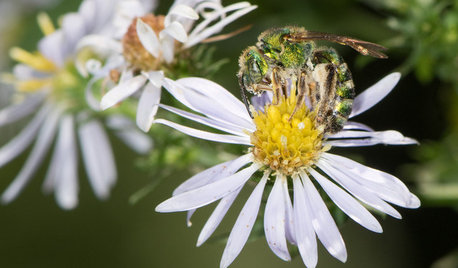
GARDENING GUIDESLook for Metallic Green Sweat Bees Visiting Your Garden This Fall
These beautiful sweat bees will dazzle and delight you with their bright emerald green color and midsummer and fall flower visiting
Full Story
Sponsored
flutterby64
shannon74
Related Professionals
Frederick Landscape Architects & Landscape Designers · Columbia Landscape Architects & Landscape Designers · Chillicothe Landscape Architects & Landscape Designers · Waterloo Landscape Architects & Landscape Designers · Eau Claire Landscape Architects & Landscape Designers · Toronto Landscape Architects & Landscape Designers · Victoria Landscape Architects & Landscape Designers · Washington Landscape Contractors · Monroe Landscape Contractors · Wenatchee Landscape Contractors · Sarnia Landscape Contractors · Cincinnati Home Builders · San Antonio Home Builders · Morgantown Home Builders · Rockford Home Buildersladobe
gwynne2006Original Author
ladobe
flutterby64