

Voles or Moles
19 years ago
Sort by:Oldest
Comments (2)
Related Stories

MOST POPULARSpring Gardens Are Blooming — Here’s What to Do in April
Get the guide you need for gardening in your U.S. region, with tasks, climate-appropriate plantings and more
Full Story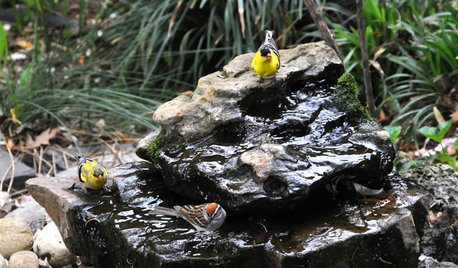
OUTDOOR PROJECTSBring In the Birds With a Homemade Bubble Rock
An avian expert from Southern Indiana shows how to make a burbling fountain that migrating birds will love
Full Story
EDIBLE GARDENSHow to Grow Your Own Sweet Summer Crops
This guide will help any gardener get started on growing the freshest warm-season veggies and berries for summer
Full Story
LIFEHow to Outsmart Backyard Critters
Learn to think like a raccoon, skunk or squirrel to keep your home safe and your garden intact
Full Story
NORTHWEST GARDENINGPacific Northwest Gardener's March Checklist
Prepare for edible harvests and invite feathered friends to the garden — offering them slugs for lunch is entirely up to you
Full Story
FALL GARDENING7 Reasons Not to Clean Up Your Fall Garden
Before you pluck and rake, consider wildlife, the health of your plants and your own right to relax
Full Story
LAWN ALTERNATIVESStop Fighting the Patchy Lawn!
Here are 3 situations where a garden may be a better idea than more turfgrass
Full Story
GARDENING GUIDES8 Materials for Raised Garden Beds
Get the dirt on classic and new options for raised vegetable and plant beds, to get the most from your year-round garden
Full Story
GARDENING GUIDESGreat Design Plant: Carex Sprengelii
Fit for nearly any site, Sprengel’s sedge makes for a low-care, healthy garden
Full Story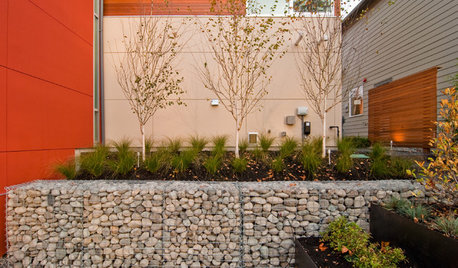
LANDSCAPE DESIGNGarden Walls: Gabion Evolves From Functional to Fabulous
The permeable rock-, concrete- or glass-filled steel cages are showing up as retaining walls, planters, benches and more
Full Story
digit
screaminvernOriginal Author
Related Professionals
Raleigh Landscape Architects & Landscape Designers · Kissimmee Landscape Contractors · Shreveport Landscape Contractors · Cambridge Landscape Contractors · Athens Landscape Contractors · Harrisonburg Landscape Contractors · Parkersburg Landscape Contractors · Kalamazoo Landscape Contractors · York Home Builders · Waterbury Home Builders · Sioux City Home Builders · Waterloo Home Builders · Aurora Home Builders · Worcester Home Builders · San Francisco Home Builders