

Clematis wilt!?
15 years ago
Sort by:Oldest
Comments (2)
Related Stories
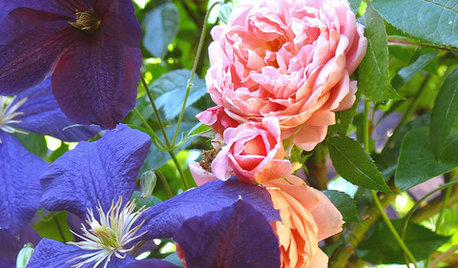
PLANTING IDEASGreat Garden Combo: Rose + Clematis for Small-Space Impact
We all need somebody to lean on. And when a rose supports a climbing vine, the results can totally transform a small garden
Full Story
GARDENING GUIDESHouzz Call: What’s Your Favorite Backyard Beauty?
The simple, honest daisy is this writer’s go-to garden flower. We want to hear which plant, flowering or otherwise, gives you special joy
Full Story
GARDENING GUIDESOh, Deer! 10 Native Flowers That Stand Up to the Herds
Keeping a garden amid hungry deer can be hard, but these plants should fare well
Full Story
GARDENING GUIDES10 Easy Edibles for First-Time Gardeners
Focus on these beginner-friendly vegetables, herbs, beans and salad greens to start a home farm with little fuss
Full Story
GARDENING GUIDESBe Your Own Best Florist With a Bouquet Garden
Shop your backyard for gorgeous floral arrangements — these ideas will help you bring the garden to the table beautifully
Full Story
FOLIAGEGreat Design Plant: Ornamental Sweet Potato Vine
Versatile, fast growing, inexpensive and easy on the eyes, ornamental sweet potato vine has it all
Full Story
More Discussions

opheliathornvt zone 5
gardengal48 (PNW Z8/9)
Related Professionals
Baton Rouge Landscape Architects & Landscape Designers · Traverse City Landscape Architects & Landscape Designers · Brooklyn Landscape Architects & Landscape Designers · Selma Landscape Contractors · Sarasota Landscape Contractors · Newark Landscape Contractors · Fayetteville Design-Build Firms · Danbury Design-Build Firms · Rockford Design-Build Firms · Lansing Design-Build Firms · Jamestown Design-Build Firms · Kearney Design-Build Firms · Oneonta Design-Build Firms · Harrisburg Design-Build Firms · Las Cruces Design-Build Firms