

Can't Get Healthy Tree
18 years ago
Sort by:Oldest
Comment (1)
Related Stories
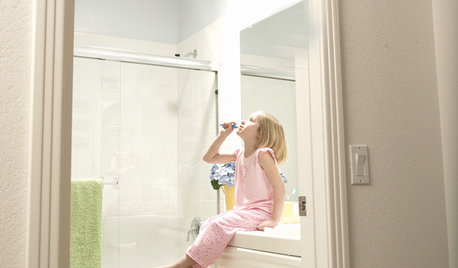
HEALTHY HOMEGet Your Light Right for a Healthy House
Homes that are too bright at night and too dark during the day are ruining our health. Here's what you can do
Full Story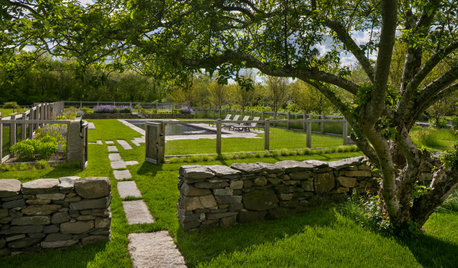
GARDENING GUIDESHow to Keep Your Trees Healthy
Ensure your trees’ vigor for years to come with these tips for protecting roots, watering effectively and more
Full Story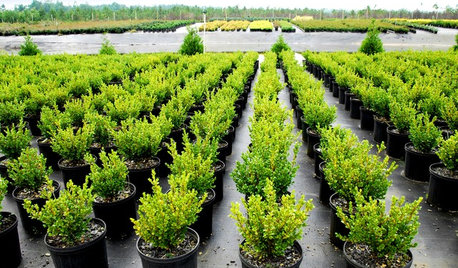
TREESHow to Buy Healthy Trees and Shrubs
A healthy young plant with a strong form is more likely to do well in your yard. Here’s what to look for at the nursery
Full Story
GARDENING GUIDESHow to Keep Your Citrus Trees Well Fed and Healthy
Ripe for some citrus fertilizer know-how? This mini guide will help your lemon, orange and grapefruit trees flourish
Full Story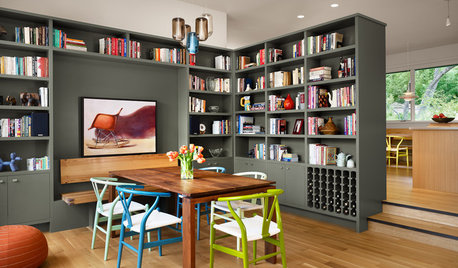
HOUZZ TOURSHouzz Tour: A Texas Home Gets a Healthy, Fresh Start
Mold eradication was just the beginning for this Austin family's home on a creek bed — toxins of all kinds now don't make it past the door
Full Story
LIFE8 Sick-Day Activities to Get Healthy at Home
Staying home is the fastest way to heal — and to enjoy all the comforts and design details you've spent so much time choosing
Full Story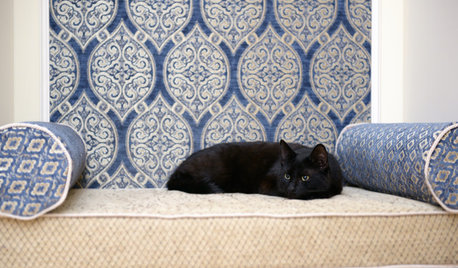
PETS10 Tips for Keeping Indoor Cats Healthy and Happy
It's National Cat Day: Ask not what your cat can do for you (because it will ignore you) but what you can do for your cat
Full Story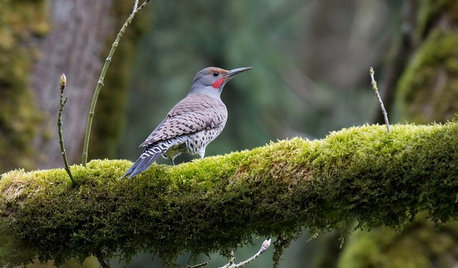
GARDENING GUIDESBackyard Birds: Healthy Home Habitats for Northern Flickers
These colorful woodpeckers found across the U.S. and Canada love berries, seeds and ants and often nest in deep burrows in trees
Full Story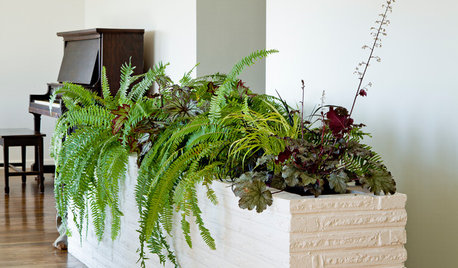
HOUSEPLANTS8 Houseplants You Can't Kill
They're forgiving and let you forget. Houseplants don't get any easier than this
Full Story
HEALTHY HOME16 Ideas for a Healthy, Feel-Good Home
Making these small tweaks and bigger shifts at home can help you thrive everywhere you go
Full Story
Sponsored
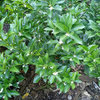
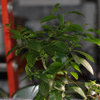
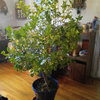
rhizo_1 (North AL) zone 7
Related Professionals
Crestview Landscape Architects & Landscape Designers · Saint Joseph Landscape Architects & Landscape Designers · Hilton Head Island Landscape Architects & Landscape Designers · Clarksville Landscape Architects & Landscape Designers · Grand Rapids Landscape Architects & Landscape Designers · Logan Landscape Architects & Landscape Designers · Dalton Landscape Contractors · Salisbury Landscape Contractors · Knoxville Landscape Contractors · Torrington Landscape Contractors · Palm Bay Home Builders · Raleigh Home Builders · Watertown Home Builders · Farmington Home Builders · Honolulu Home Builders