

Black Mulch
15 years ago
Sort by:Oldest
Comments (10)
Related Stories

GARDENING GUIDESNew Ways to Think About All That Mulch in the Garden
Before you go making a mountain out of a mulch hill, learn the facts about what your plants and soil really want
Full Story
GARDENING GUIDESThe Art of Green Mulch
You can design a natural garden that doesn’t rely on covering your soil with wood and bark mulch
Full Story
GARDENING GUIDESLowly Mulch Makes Magic in the Garden
Find out why you should be mulching your garden beds and what material is right for your site
Full Story
GARDENING GUIDESHow to Pick a Mulch — and Why Your Soil Wants It
There's more to topdressing than shredded wood. Learn about mulch types, costs and design considerations here
Full Story
FLOWERSRudbeckia Mania: Go Beyond Black-Eyed Susan in the Garden
Branch out from typical nursery fare, with lesser-known Rudbeckia species that have delightfully unexpected features
Full Story
GARDENING GUIDESPlant Black Cherry Trees for the Birds and Bees
Plant Prunus serotina in the Central and Eastern U.S. for spring flowers, interesting bark and beautiful fall color
Full Story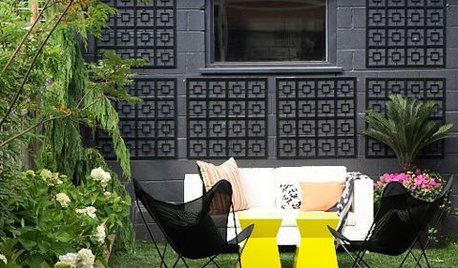
LANDSCAPE DESIGNGet a Knack for Black in the Garden
Dark walls, furniture and foliage do more than add drama in the landscape; they can be strategic design elements
Full Story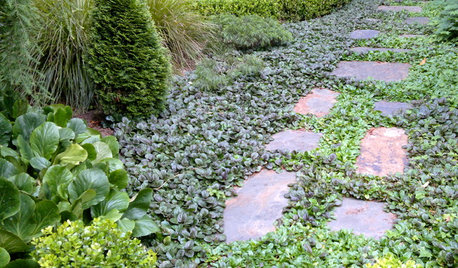
GROUND COVERSGround Force: 10 Top Ground Covers for Your Garden
Protect your soil from weeds and drought this summer with a living mulch of ground covers
Full Story
GARDENING GUIDESGarden Myths to Debunk as You Dig This Fall and Rest Over Winter
Termites hate wood mulch, don’t amend soil for trees, avoid gravel in planters — and more nuggets of garden wisdom
Full Story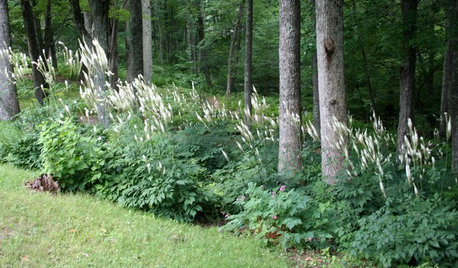
GARDENING GUIDESGreat Design Plant: Actaea Racemosa
Elegant flowers top black cohosh in summer woodland gardens
Full Story
organic_kitten
newyorkrita
Related Professionals
Little Rock Landscape Architects & Landscape Designers · London Landscape Architects & Landscape Designers · Washington Landscape Contractors · Quincy Landscape Contractors · Madison Landscape Contractors · Kalamazoo Landscape Contractors · Albany Landscape Contractors · Lima Landscape Contractors · Allentown Landscape Contractors · Minneapolis Home Builders · Harrisburg Home Builders · Flagstaff Home Builders · Temecula Home Builders · Rapid City Home Builders · Lagrange Home Buildersjean_ar
Nancy Barginear
Ed
bambi_too
sann777
msrose
crackingtheconcrete
sayhellonowOriginal Author