

Pruning One More Time, Pix
19 years ago
Sort by:Oldest
Comments (6)
Related Stories
GARDENING GUIDESHow to Prune Your Flowering Shrubs for the Best Blooms
Less is often more when it comes to properly pruning flowering shrubs. Here’s what to do and why
Full Story
WINTER GARDENINGPruning Secrets for Exquisite Roses
Encourage gorgeous blooms year after year with this time-tested advice on how to prune your rosebush in winter for health and shape
Full Story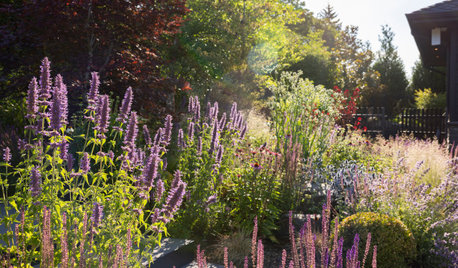
GARDENING GUIDESGot Frost-Damaged Plants? How It Happens, and When and How to Prune
Don’t rush to cut back brown, brittle growth after a freeze
Full Story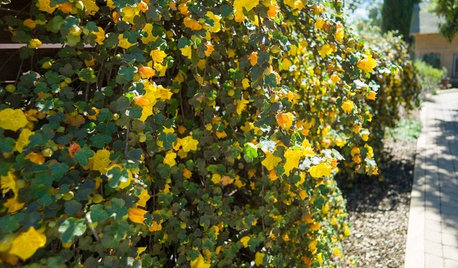
GARDENING GUIDESTidy Up Sprawling Native Shrubs With These Pruning Tips
Sound horticultural pruning methods work for native and nonnative plants alike
Full Story
LANDSCAPE DESIGNDesign Solutions for the Time-Strapped Gardener
Landscaping for easy maintenance can help make your garden more manageable — and pleasurable to be in
Full Story
LIFETime Travel to Houzzers' Childhood Homes, Part 3
See postwar homes built by family members, rural farmsteads, cold-water flats and much more
Full Story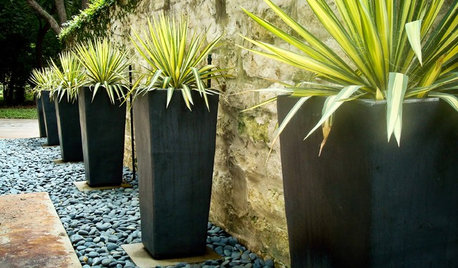
CONTAINER GARDENSWant Compelling Garden Minimalism? Think One Plant, One Pot
Highlight a show-worthy stunner or elevate a pedestrian plant by giving it a solo starring role in the garden
Full Story
FENCES AND GATESModern Fencing for a More Secure Home
Deter would-be burglars without robbing your home of style, by installing a modern fence like one of these
Full Story
FARM YOUR YARDIf You Have Room for Only One Summer Crop ...
Get an edible that’s long on flavor even if you’re short on space, with a long-time gardener’s favorite picks
Full Story
FALL GARDENINGWhy Fall Is the Best Time for Planting
Spring is overrated for planting. Starting plants in autumn has advantages for both garden and gardener
Full Story
Sponsored
elder
pitangadiegoOriginal Author
Related Professionals
Dubuque Landscape Architects & Landscape Designers · Utica Landscape Architects & Landscape Designers · Mansfield Landscape Architects & Landscape Designers · Salt Lake City Landscape Architects & Landscape Designers · Palm Bay Landscape Contractors · Tallahassee Landscape Contractors · Dalton Landscape Contractors · Jackson Landscape Contractors · Marquette Landscape Contractors · Brattleboro Landscape Contractors · Palm Desert Landscape Contractors · Richmond Kitchen Remodelers · Dayton Kitchen Remodelers · Lawton Kitchen Remodelers · Flint Kitchen Remodelerstcstoehr
pitangadiegoOriginal Author
sidruid
pitangadiegoOriginal Author