

figs ripen too fast
17 years ago
Sort by:Oldest
Comments (6)
Related Stories
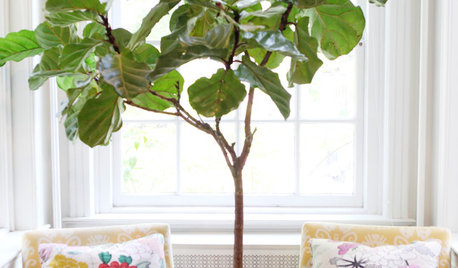
HOUSEPLANTSPlay Up Some Fiddleleaf Figs for a Lively Indoor Tune
Strike a dramatic chord in a minimalist scene or a country note in a rustic setting — fiddleleaf fig plants harmonize with any style
Full Story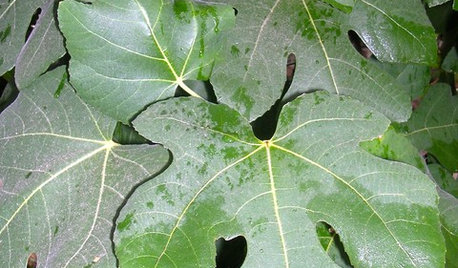
GARDENING GUIDESGreat Design Plant: Common Fig
A full form and delicious fruits make this Middle Eastern tree a favorite in gardens around the world
Full Story
FARM YOUR YARDIf You Have Room for Only One Fruit Tree ...
Juice up a small garden with one of these easier-care or worth-the-effort fruit trees for a mild climate
Full Story
FALL GARDENING5 Fall Fruits You Can Grow in Containers
Brighten your porch or patio with a potted pomegranate, kumquat, blueberry bush or another great fall fruit
Full Story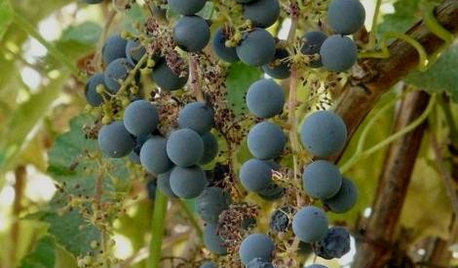
GARDENING GUIDESGreat Design Plant: Try California Wild Grape for Interest All Year
Sure, it’s stunning in fall. But the spring buds, summer grapes and gnarled winter vines are gorgeous too
Full Story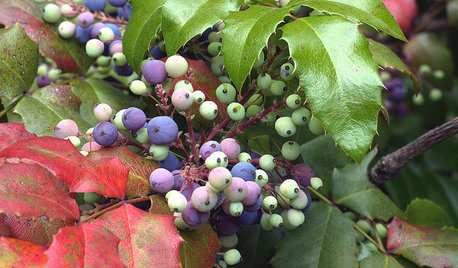
GARDENING GUIDESGreat Design Plant: Mahonia Aquifolium for Birds
Oregon grape puts on a bold spectacle from spring through winter and is ideal to brighten partly shady corners in the U.S. West
Full Story
GARDENING GUIDES8 Plants for a Deliciously Fragrant Fall Garden
Scent the autumn air with the perfume of caramel corn, honey and spices by adding these intoxicating plants to your landscape
Full Story
GARDENING FOR BIRDSFeed the Birds: 6 Plants for Abundant Winter Berries
Be kind to your fair feathered friends during lean food times by planting a shrub or tree loaded with nutritious snacks
Full Story
GARDENING GUIDESGreat Design Plant: Ribes Malvaceum
Plant pink chaparral currant for graceful winter tassels and an excuse to make black currant tarts
Full Story
GARDENING AND LANDSCAPINGArbor Day Applause: Iconic Los Angeles Trees
Step aside, palm trees. California's native trees offer landscapes a huge variety of styles, personas and foliage
Full Story
User
fignut
Related Professionals
Miami Landscape Architects & Landscape Designers · Panama City Landscape Architects & Landscape Designers · Rolla Landscape Architects & Landscape Designers · Tacoma Landscape Architects & Landscape Designers · Tallahassee Landscape Contractors · Madison Landscape Contractors · Cincinnati Landscape Contractors · Murfreesboro Landscape Contractors · Leominster Landscape Contractors · Escanaba Landscape Contractors · Denver Landscape Contractors · Paducah Kitchen Remodelers · Rock Hill Kitchen Remodelers · Pueblo Kitchen Remodelers · Sanford Kitchen RemodelersfrancesjOriginal Author
baust55
ottawan_z5a
baust55