

riddle me this
16 years ago
Sort by:Oldest
Comments (6)
Related Stories

DECORATING GUIDES8 Qualities of Great Interior Design
We identify some elusive attributes of excellent interiors to get you past "I know it when I see it"
Full Story
HOUZZ TOURSHouzz Tour: A Fixer-Upper Becomes a Labor of Love
A thrifty spirit and endless vision enable a hardworking Kansas couple to create a charming home on a small budget
Full Story
MOST POPULARRoom of the Day: A Dream Bathroom in 90 Square Feet
A master bathroom in an L.A. historic district features modern amenities and timeless details that tie it to past and present
Full Story
COLORAll the Ways Color Invades Us
Color for alertness, for rest — and for a calming effect? Explore some ways we can benefit from our use of color around the house
Full Story
VACATION HOMESHouzz Tour: Reviving a Farmhouse in California’s Wine Country
A rickety 1800s home gets a more contemporary look and layout, becoming an ideal weekend retreat
Full Story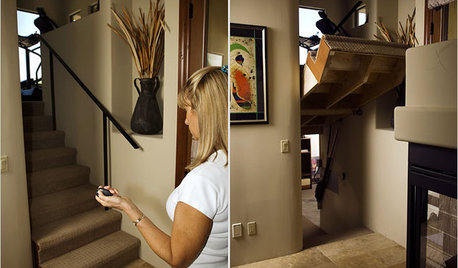
MORE ROOMSShhh ... It's a Secret (Door, Room, Staircase)
Whether you're the cloak-and-dagger type or just want some practical storage, hidden places in the home show their appeal
Full Story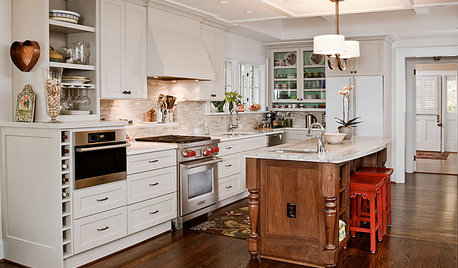
KITCHEN DESIGNKitchen of the Week: Smart, Elegant Atlanta Addition
Controlling traffic flow and conquering clutter topped the priorities list for this 1980s-era Georgia kitchen
Full Story
GARDENING GUIDESSoutheast Gardener's October Checklist
When you're not toting houseplants back inside or planting cool-season crops, you can start preparing garden beds for next year
Full Story
Visit an Artist's Backyard Studio and Guesthouse
An interior designer creates an inspiring workspace and welcoming getaway
Full Story
PRODUCT PICKSGuest Picks: 20 Full-of-Character Furnishings With Global Flair
Layer furniture, accessories and textiles with a worldly appeal to tell your own one-of-a-kind story
Full Story
babalu_aye
laura1
Related Professionals
Athens Landscape Architects & Landscape Designers · Martinsburg Landscape Architects & Landscape Designers · Providence Landscape Architects & Landscape Designers · Montréal Landscape Architects & Landscape Designers · Middletown Landscape Contractors · Carbondale Landscape Contractors · Spring Landscape Contractors · Grand Forks Landscape Contractors · Denver Landscape Contractors · Billings Landscape Contractors · Evanston Landscape Contractors · Bloomington Kitchen Remodelers · Oxford Kitchen Remodelers · Sugar Land Kitchen Remodelers · Las Vegas Kitchen RemodelerspnbrownOriginal Author
johnjsr
sharbear50
pnbrownOriginal Author