

mophead/lacecap hydrangeas
13 years ago
Sort by:Oldest
Comment (1)
Related Stories
GARDENING GUIDESHouzz Call: What’s Your Favorite Backyard Beauty?
The simple, honest daisy is this writer’s go-to garden flower. We want to hear which plant, flowering or otherwise, gives you special joy
Full Story
SIDE YARD IDEASNarrow Trees for Tight Garden Spaces
Boost interest in a side yard or another space-challenged area with the fragrance and color of these columnar trees
Full Story
REGIONAL GARDEN GUIDESPacific Northwest Gardener: What to Do in April
Get ready for annual flowers and watch out for snails to ensure a bountiful garden now through summer
Full Story
LANDSCAPE DESIGNSet Your Shade Garden Aglow With Light
Invite brightness to the dark corners of your garden for a magical dance you won't want to miss
Full Story
PATIO OF THE WEEKKeep a Secret Garden on the Side
Privacy and plantings are the focus of this Philadelphia side yard, offering a respite from a busy backyard
Full Story
GREAT LAKES GARDENINGGreat Lakes Gardener's November Checklist
So many seed heads and berries to admire as you prepare for winter and prep bulbs for forced indoor blooming
Full Story0
GARDENING GUIDESYour November Garden Checklist
What to do around the U.S. this month to help your garden thrive — when you're not admiring fall's brilliant colors, that is
Full Story
REGIONAL GARDEN GUIDESGreat Lakes Gardener's June Checklist
Hear the berries beckoning? Pluck them while enjoying the wealth of garden blossoms and maybe kicking out a few bugs this month
Full Story0
REGIONAL GARDEN GUIDESDelight in Summer’s Garden Glories — Here’s What to Do in June
Wherever you live in the United States, these guides can help you make the most of your summer garden
Full Story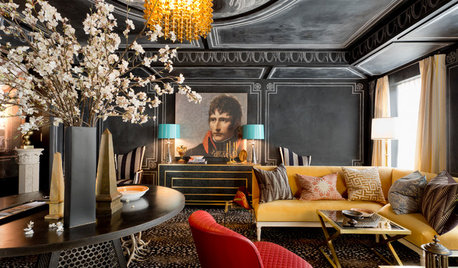
DESIGNER SHOWCASESGlamour and Colors Rule at 2016 Kips Bay Decorator Show House
See how 21 designers from around the U.S. outfitted a 1940 townhouse with vivid wall treatments and edgy furnishings
Full Story
luis_pr
Related Professionals
Rome Landscape Architects & Landscape Designers · Salisbury Landscape Architects & Landscape Designers · Elizabeth City Landscape Architects & Landscape Designers · Danville Landscape Architects & Landscape Designers · Hartford Landscape Architects & Landscape Designers · Medford Landscape Architects & Landscape Designers · Leamington Landscape Architects & Landscape Designers · Wilmington Landscape Contractors · Sebring Landscape Contractors · Lake Charles Landscape Contractors · Longview Landscape Contractors · Bangor Landscape Contractors · Yuma Landscape Contractors · Sanford Landscape Contractors · Buffalo Design-Build Firms