Software
Houzz Logo Print
elbeardo

wilting and pests

17 years ago

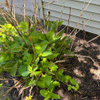
Bought a couple 20 gallon hydrangea plants from Home Depot last week. Planted them in part sun part shade situation. One (the white one) is doing great. The other(the pink one) is getting hit by pests and some of its leaves are wilting. These plants are only 6 feet apart.... I've been keeping them well watered. Any ideas?

Comments (5)

  • 17 years ago

    Recently planted hydrangeas suffer from transplant shock and take one or two years to get established into the garden. One of the common "problems" that you will notice on year one is wilting episodes as summer temperatures approach.

    It is important to try and maintain the soil moist (not wet, not dry, just moist) and well mulched to combat wilting tendencies. It is obviously hard to do. Mulch the plant well with 3-4" of any type of mulch to help reduce the number of times that you have to water. Then use the following approach when you see wilting episodes...

    1. If the wilting episode seems extreme when compared to others then immediately water. Otherwise,

    2. test the soil moisture and take appropriate action... Move aside a little mulch so you can insert a finger into the soil to a depth of 4". Then determine whether the soil feels wet, moist or dry. If dry or almost dry, water immediately. If wet or moist then wait until the next morning. If still wilted in the momrning, water half the normal amount of water.

    Why all this? Many hydrangeas tend to wilt on their first year but they also recover on their own by nightfall or by next morning (provided the soil has moisture and the plant is healthy). By only watering when truly needed, you help prevent root rot.

    Root rot is a fungal infection that plants develop when the roots sit in too much water for too long. The symptoms of root rot are also the ones of a plant that does not get sufficient water. That is because the part of the plant above ground really does not get enough water; the infected roots are unable to absorb water.

    So do not panic when this happens. If it looks very bad then water right away but otherwise, check the soil moisture and water if the soil is almost dry or dry. If the soil is wet or moist, wait until next morning to water and just do half the normal amount if still wilted.

    You can also prepare the plant ahead of time in some cases. Hydrangeas are large leafed plants who loose water through the leaves a lot on windy days. If you hear on the news that there is a wind advisory for tomorrow, water the plant the night before.

    Watering hints: water early in the morning; water the soil and not the plant/leaves if you can help it; water the root ball. Remove plant debris from under the hydrangea. Leaf fungal problems will be reduced or prevented if you do some of these things.

    Good luck elbeardo,
    Luis

  • 17 years ago

    Luis, you seem to know a lot about hydrangeas! Perhaps you can help me. I bought a blue bell at a local nursery, thought the the blue flowers would really look great against white clapboard house with dark blue trim. I planted it a little close to the house I'm afraid. I had to add epsoma sulfur to soil, as pH test revealed it was very alkaline. I noticed some leaf wilting and a few brown spots about a week after planting. I watered it quite a bit, as the woman told me they like moisture as well as shade. Should I let it dry out for a while? Other than transplant shock, root rot, what kind of fungal problems should I watch out for? Any more tips for taking care of this beautiful plant? Any pests? Thanks so much!!!!!!

  • 17 years ago

    Try using the finger method when watering, novice_2009. Move aside the mulch and insert the finger about 4" deep. If it feels almost dry or dry then water. Do nothing otherwise. When you water, mark it in a wall calendar. After a week or two of doing this, review how often you watered. If you watered every three days, set the sprinkler to water 1 gallon every three days (more water for bigger plants or in places where the soil is sandy). Check again using the finger method if temperatures vary 10-15 degrees and stay there.

    Wilting will be very common as summer nears. It happens often with newly planted hydrangeas but it can also happen with established ones. Since hydrangeas recover from wilting episodes on their own most of the time, try this: if the wilting episode is extreme, water immediately. Otherwise check the soil and water only if the soil is almost dry or dry. If the soil was moist or wet, wait until next morning. If still wilted then, water half the normal amount.

    Your pH problem is very common where I live but it also occurs in acidic locations when you plant near the house. The cement in the foundation tends to leech lime and this makes the soil around the house alkaline. Keep an eye on the soil pH. Hydrangeas will tolerate a neutral pH and even a little alkalinity but it will affect the color of the blooms. I try to combat this problem with organic compost and garden sulphur in Spring. A pH reading of 6.5 or less helps you get blue blooms.

    If your soil drains well, if you water the soil instead of the plant leaves, if you keep the area under the shrub clean and if you water early in the mornings when the soil is almost dry or dry, you should not have to worry about fungal issues (powdery mildew, etc). There may be some leaf spots in the Fall but you can usually ignore these on "old" leaves; after all, the leaves will dry out and fall in the Fall so you do not worry much about it or bother applying fungicides. As for pests, Japanese Beetles, aphids and mites have been known to "bother" some hydrangeas.

    Does this help you?
    Luis

  • 17 years ago

    Yes! Thanks. It's a bluebird I think. Anyway, didn't realize they could be tricky, I told the woman at the nursery- shade, front of house, moisture, and she pointed me to that one. Kind of an impulse buy! So I will check pH levels, and watch the water. How tall and wide do these guys get? Do those brown spots on bottom leaves mean pests?
    Thanks so much luis!!

  • 17 years ago

    The size probably depends on how long your growing season is but I have seen nursery estimates ranging from slightly under 4' to 6' (that is both width and heigth at 10 years). The brown spots could be caused by overhead watering at the nurseries. They also pack them way too close to each other (maybe to water them faster?) instead of allowing some separation between plants as we try to do in home gardens.

    I do not have this serrata but I have seen posts from others that do. Perhaps they might see this question and will chime in with their personal experience.