

Need help with tall bearded irises
19 years ago
Sort by:Oldest
Comments (8)
Related Stories
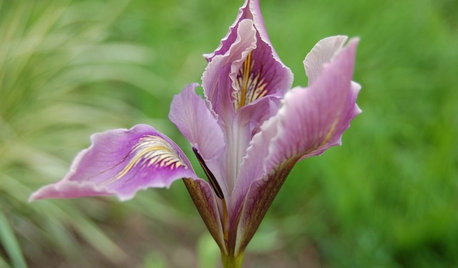
FLOWERSPaint a Garden Delightful With Iris
Charming and colorful, irises propagate easily, are hardy in many soils and climates, and unfold with layers of beauty
Full Story
GARDENING GUIDESGreat Design Plant: Ornamental Allium
Lollipop blooms on tall, leafless stems add an architectural element to gardens of all styles
Full Story
GARDENING GUIDESBe Your Own Best Florist With a Bouquet Garden
Shop your backyard for gorgeous floral arrangements — these ideas will help you bring the garden to the table beautifully
Full Story
SPRING GARDENINGEnjoy the Peak of Spring Gardening — Here’s What to Do in May
Bid the frost farewell and treasure the blooms. No matter what U.S. region you’re in, one of these guides will help your garden flourish
Full Story
GARDENING GUIDES6 Steps to Get a Garden Off to a Glowing Start
Grow a lush, balanced garden from an empty patch of yard or neglected landscape spot with these easy-to-follow guidelines
Full Story
FALL GARDENING6 Splendid Blue-Flowering Bulbs
How do you blue? With colors from sky to cobalt, these bulbs will greet you merrily in a spring garden
Full Story
FRUIT TREESHow to Grow Your Own Persimmons
Sturdy and easy to care for, these trees offer bright fruit through winter — and keeping them in bounds is no sweat
Full Story
SAVING WATERHouzz Call: Are You Letting Go of Your Lawn?
Many facing a drought are swapping turf for less thirsty plantings. If you’re one of them, we’d like to hear about it
Full Story
FALL GARDENINGWhy Fall Is the Best Time for Planting
Spring is overrated for planting. Starting plants in autumn has advantages for both garden and gardener
Full Story
FLOWERS9 Plants That Channel Pantone’s Color of 2014
Try these pinkish-purple wonders to be right on trend — or just for their own captivating beauty
Full Story
laurief_gw
sylviatexas1
Related Professionals
Louisville Landscape Architects & Landscape Designers · Lynchburg Landscape Architects & Landscape Designers · Phoenix Landscape Architects & Landscape Designers · Ogden Landscape Architects & Landscape Designers · Enid Landscape Contractors · Grand Rapids Landscape Contractors · Lake Havasu City Landscape Contractors · Cornwall Landscape Contractors · Albany Design-Build Firms · Terre Haute Design-Build Firms · DeRidder Design-Build Firms · Albert Lea Design-Build Firms · Minneapolis Design-Build Firms · Lebanon Design-Build Firms · Guymon Design-Build Firmsgmason
gldno1
gmason
laurief_gw
shapiro
suenh