

When to change nutrient strength
18 years ago
Sort by:Oldest
Comments (4)
Related Stories
KITCHEN DESIGNKitchen Sinks: Stainless Steel Shines for Affordability and Strength
Look to a stainless steel sink for durability and sleek aesthetics at a budget-minded price
Full Story
KITCHEN COUNTERTOPSKitchen Counters: Quartzite Offers Strength and Beauty
Eye-catching patterns and a natural pedigree make durable quartzite a popular alternative to granite and marble
Full Story
FRONT DOOR COLORSFront and Center Color: When to Paint Your Door Bright Red
Welcoming and intense, a red front door kicks up a home's entryway and is impossible to miss
Full Story
REMODELING GUIDESWhen to Use Engineered Wood Floors
See why an engineered wood floor could be your best choice (and no one will know but you)
Full Story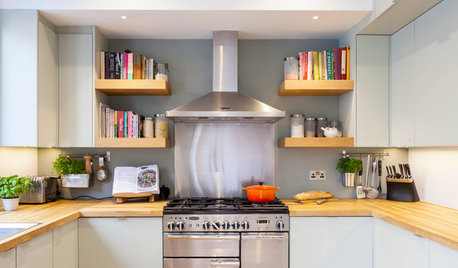
KITCHEN APPLIANCESWhat to Consider When Adding a Range Hood
Get to know the types, styles and why you may want to skip a hood altogether
Full Story
FARM YOUR YARDHow to Get Good Soil for Your Edible Garden
The nutrients in your soil feed the plants that feed you. Here are tips on getting it right — just in time for planting season
Full Story
WINDOWSSteel-Framed Windows Leap Forward Into Modern Designs
With a mild-mannered profile but super strength, steel-framed windows are champions of design freedom
Full Story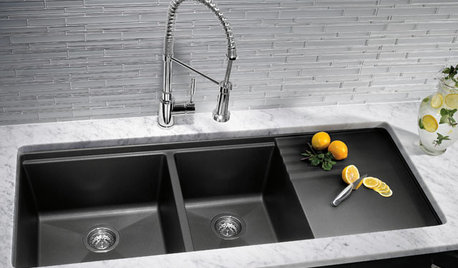
KITCHEN DESIGNKitchen Sinks: Granite Composite Offers Superior Durability
It beats out quartz composite for strength and scratch resistance. Could this kitchen sink material be right for you?
Full Story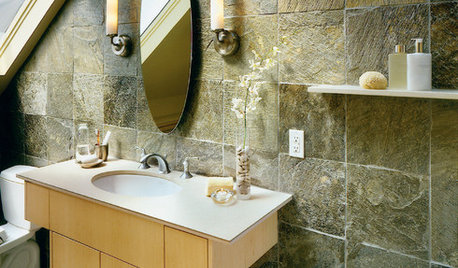
REMODELING GUIDESInspiring Materials: Slate Tile
Texture, Color and Strength Makes Slate a Go-To Material for Inside and Out
Full Story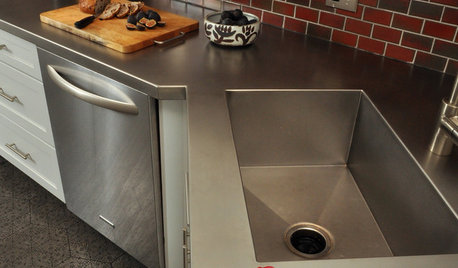
KITCHEN DESIGNKitchen Counters: Stainless Steel, the Chefs' Choice
Professional-grade strength and shining beauty unite in classic stainless steel countertops for the kitchen
Full Story
More Discussions
greystoke
greystoke
Related Professionals
Brunswick Landscape Architects & Landscape Designers · Columbus Landscape Architects & Landscape Designers · Clarksburg Landscape Architects & Landscape Designers · New London Landscape Architects & Landscape Designers · Cedar Rapids Landscape Architects & Landscape Designers · Middletown Landscape Architects & Landscape Designers · Lancaster Landscape Architects & Landscape Designers · Logan Landscape Architects & Landscape Designers · Cheyenne Landscape Architects & Landscape Designers · McComb Landscape Contractors · Odessa Landscape Contractors · Huntsville Home Additions · Montgomery Home Additions · Omaha Home Additions · Sacramento Home Additionsjoe.jr317
hooked_on_ponics