Software
Houzz Logo Print
curlylocks_gw

Getting frustrated

18 years ago

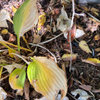
I think I may have big problems this year. We've had an awfully cool May and early June with some single days of real heat and some really good downpours in there too, thrown in with 3 solid weeks of high winds now that of course are drying the soil out. Now we're into heavy heat and humidity. Even though everything's mulched, the ground underneath is dry. I've been bottom watering the hostas twice a week to keep the roots moist hoping that this will help when the dog days of summer roll around. However, now I'm finding that the hostas with the larger leaves (Golden Sculpture, Sum and Susbstance, Inniswood, Paradigm) are going yellow and discolouring and drying out around the edges. On some of these hostas I've discovered stalks with some hard white things in them. On a hosta I discovered a huge spider that I thought might want to lay eggs? Can anyone tell me what combination of things are going on here? I've been picking out the snails, have sprayed with the mixture of murphy's oil soap and water. Any ideas?

Comments (10)

  • 18 years ago

    Saturate the soil with 10% ammonia, ammonia is a contact killer and will not hurt the plants. We are killing the slugs/snails where they hide during the day, when we pick them we only kill the ones we see and not the eggs and those hiding.

    This has to be water shortage. And the wind IS a big factor. When you water the hosta only the soil will wick out the moisture, not bad to water hosta directly and intentionally but the water may not stay there when the surrounding soil is dry. This watering hosta only draws tree roots to the wet area, not so good.

    Leaf size has to relate to root mass, large roots large leaves everything equal.

    email me if you want to try a water experiment?

    wilddog_202@yahoo.com

  • 18 years ago

    It sounds exactly like Southern Blight or petiole rot (some people call it crown rot, but it really only involves the portions at soil level). This fungus can grow rapidly when temperatures are high and there is ample moisture, plus the mulch can help to encourage it. Pull back the mulch from the stems, clean up any of the white seeds and rotten stems, then treat with a fungicide specifically labeled for Southern Blight, or that contains the chemicals flutolanil, propiconazole, quintozene, or tebuconazole. Repeat treatment 2 or 3 more times this season and again next season. When you do water make sure you water deeply but then allow the soil surface to dry out. This fungus only lives in the top couple inches of soil so if you can keep the surface dry, especially during hot weather, it will help to keep it somewhat dormant.

    When temps get above 90 degrees I avoid watering, then water the heck out of things the next cool day that comes along.

    Hope that helps.

    Chris

  • 18 years ago

    I've already pulled all the mulch out of the centre of all the hostas and I've left a circular area of soil that hopefully the water can penetrate through when I water gently. I haven't gotten any rotten stems. Is that to come? Those white things that I saw are hard to the touch but they will crumble between my fingers. Is that the fungus?

  • 18 years ago

    Where are those hard things? Are they at the base of the stems? That's where the fungus will attack. Normally it only takes a couple days before the stems pull out easily from the crown.

  • 18 years ago

    I think it is early for southern blight? Maybe not, the temperatures are right but it usually appears later. Regardless here is a good ref for diagnoses.

    I would try to carefully to diagnose before beginning a treatment regime.

    Note the rust coloration, a dead give away.

    Here is a link that might be useful: Southern Blight

  • 18 years ago

    BTW I've offered in the past that mulch is not the cause but believed mulch had no effect since "Southern Blight" is soil bourne.

    The reference above explains the connection between mulch and the spread of southern blight so clear the mulch away from the crown and forget anything I ever said in the past.

  • 18 years ago

    The white things you're finding might be capsules that once held spider eggs. If so, they're harmless. I find them often in my garden because I encourage spiders to live there. I don't know about your other symptoms.

    Lainey

  • 18 years ago

    I ditto everything Christopher said. The mulch harbors the fungus, and provides an insulated place for the fungus to over-winter. The only thing I would add to the conversation is that only flutolanil is effective as a curative once the plant already has the fungus. This particluar chemical is available in products such as Prostar, Contrast, and Moncoat. These products can be ordered from an elevator or farm chemical supplier. However, they are somewhat costly, but worth it. Don

    PS I've personally applied the three fungicides I've just mentioned on several hosta gardens with very effective results.

  • 18 years ago

    If possible get us photos?

  • 18 years ago

    I'll do my best to get some photos today and try to have them posted by tomorrow. Those white things are all up the stems of one eye of the plant. I don't have any rust. The stems don't pull off easily either. I'm just stumped.

Sponsored
Miller Woodworks
Average rating: 5 out of 5 stars23 Reviews
Franklin County's Trusted Custom Cabinetry Solutions