

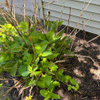
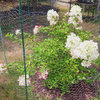
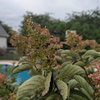
Hace 2 hydrangeas and know nothing about them.
21 years ago
Sort by:Oldest
Comments (7)
Related Stories
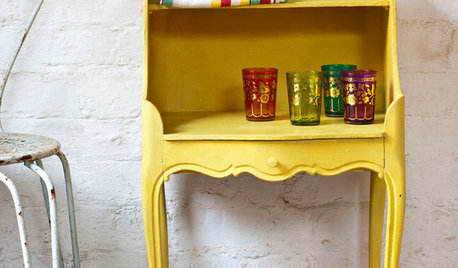
PAINTINGWhat to Know About Milk Paint and Chalk Paint — and How to Use Them
Learn the pros, cons, cost and more for these two easy-to-use paints that are great for giving furniture a vintage look
Full Story
WORKING WITH PROS10 Things Decorators Want You to Know About What They Do
They do more than pick pretty colors. Here's what decorators can do for you — and how you can help them
Full Story
CONTRACTOR TIPSBuilding Permits: What to Know About Green Building and Energy Codes
In Part 4 of our series examining the residential permit process, we review typical green building and energy code requirements
Full Story
COLORHave You Heard the Hues? 15 Colors You May Not Know About
Name-drop these shades at holiday parties — or better, try one on your walls — and expand your palette possibilities
Full Story
DECORATING GUIDES7 Things to Know About Foo Dogs
These Chinese decorative statues have a lengthy history and are powerfully symbolic
Full Story
FURNITUREAim High: What to Know About Adding a Library Ladder
Have books or shelves out of reach? Here’s how to get a library ladder that works just right for your needs
Full Story
FURNITUREHow to Buy a Quality Sofa That Will Last
Learn about foam versus feathers, seat depth, springs, fabric and more for a couch that will work for years to come
Full Story
WORKING WITH PROSWhat Do Landscape Architects Do?
There are many misconceptions about what landscape architects do. Learn what they bring to a project
Full Story
MATERIALSInsulation Basics: What to Know About Spray Foam
Learn what exactly spray foam is, the pros and cons of using it and why you shouldn’t mess around with installation
Full Story
REMODELING GUIDESWhat to Know About Budgeting for Your Home Remodel
Plan early and be realistic to pull off a home construction project smoothly
Full Story

karen_w
miriahOriginal Author
Related Professionals
Gulfport Landscape Architects & Landscape Designers · Saint Marys Landscape Architects & Landscape Designers · Clearlake Landscape Architects & Landscape Designers · Logan Landscape Architects & Landscape Designers · Monroe Landscape Contractors · Hannibal Landscape Contractors · Mission Viejo Landscape Contractors · Lubbock Landscape Contractors · Idaho Falls Landscape Contractors · Ogden Landscape Contractors · Bloomington Design-Build Firms · Charlotte Design-Build Firms · Beaumont Design-Build Firms · Chico Design-Build Firms · Everett Design-Build Firmsgardengal48 (PNW Z8/9)
karen_w
miriahOriginal Author
gardengal48 (PNW Z8/9)
karen_w