

My new hydrangea needs TLC
18 years ago


Sort by:Oldest
Comment (1)
Related Stories
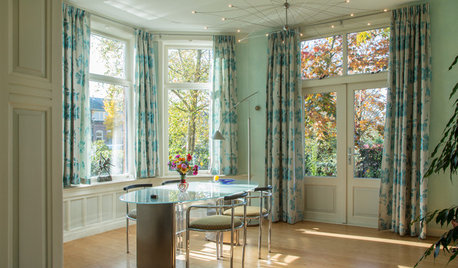
MY HOUZZMy Houzz: With TLC, a Former Dutch Nursery Estate Blossoms
A family buys a run-down estate in the Netherlands and brings it back to life
Full Story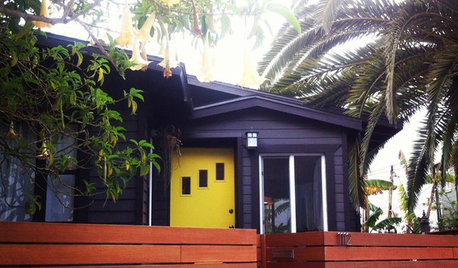
HOUZZ TOURSHouzz Tour: Thrifty TLC Transforms a Beach Bungalow
A California architect finds ‘the perfect mix of potential and a dump,’ and gets right to work
Full Story
GARDENING AND LANDSCAPINGHave a Ball With Hydrangeas
Even if you don't tinker with the hue by changing the soil, hydrangeas have an entertaining range of uses in all kinds of landscapes
Full Story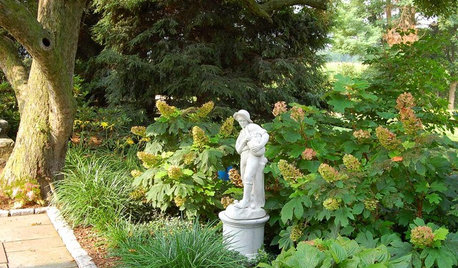
GARDENING GUIDESGreat Design Plant: Oakleaf Hydrangea
Consider this full, flowering shrub for year-round beauty in the garden as you plan your fall plantings
Full Story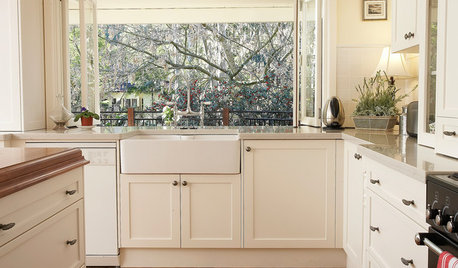
KITCHEN SINKSEverything You Need to Know About Farmhouse Sinks
They’re charming, homey, durable, elegant, functional and nostalgic. Those are just a few of the reasons they’re so popular
Full Story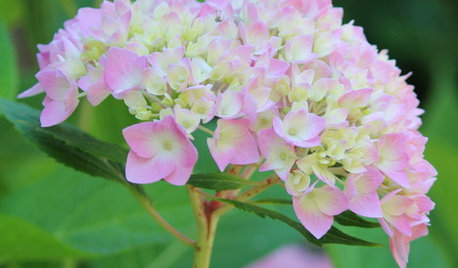
GARDENING GUIDESCalifornia Gardener's June Checklist
Update your hydrangeas, catch up on tomatoes and more ways to enjoy your California garden in June
Full Story
GARDENING GUIDESA Beginner’s Guide to Growing Succulents
Their easy-care reputation is well-deserved, but a little TLC will turn succulents into star plants
Full Story
GARDENING GUIDESGive Your Turf the Fall Tune-up It Deserves
Treat your battered lawn to a little TLC this fall, and it will reward you with lush, healthy grass come spring
Full Story
PETSPamper Your Pooch With a Dog Shower
Give your dog some major TLC and make bath day easier with a showering space just for pets
Full Story
BUDGET DECORATING12 Ways to Make Your Home Feel New Again
Treat your furniture, walls, floors and countertops to some TLC, to give them a just-bought look for a fraction of the cost
Full Story
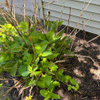
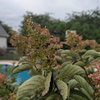
luis_pr
Related Professionals
Palm Bay Landscape Architects & Landscape Designers · Baltimore Landscape Architects & Landscape Designers · Jacksonville Landscape Architects & Landscape Designers · Charleston Landscape Architects & Landscape Designers · Plainfield Landscape Architects & Landscape Designers · Medford Landscape Architects & Landscape Designers · Dover Landscape Contractors · Effingham Landscape Contractors · Springfield Landscape Contractors · Concord Landscape Contractors · Pocatello Landscape Contractors · Aberdeen Design-Build Firms · Marietta Design-Build Firms · Brattleboro Design-Build Firms · Provo Design-Build Firms