

New Iris Bed Advice
20 years ago
Sort by:Oldest
Comments (5)
Related Stories
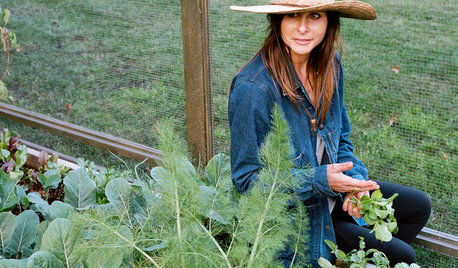
FARM YOUR YARDAdvice on Canyon Farming From L.A.'s Vegetable Whisperer
See how a screened garden house and raised beds help an edible garden in a Los Angeles canyon thrive
Full Story
LIFEGet the Family to Pitch In: A Mom’s Advice on Chores
Foster teamwork and a sense of ownership about housekeeping to lighten your load and even boost togetherness
Full Story
HEALTHY HOMEHow to Childproof Your Home: Expert Advice
Safety strategies, Part 1: Get the lowdown from the pros on which areas of the home need locks, lids, gates and more
Full Story
DECORATING GUIDESDecorating Advice to Steal From Your Suit
Create a look of confidence that’s tailor made to fit your style by following these 7 key tips
Full Story
LIFEEdit Your Photo Collection and Display It Best — a Designer's Advice
Learn why formal shots may make better album fodder, unexpected display spaces are sometimes spot-on and much more
Full Story
DECORATING GUIDES10 Design Tips Learned From the Worst Advice Ever
If these Houzzers’ tales don’t bolster the courage of your design convictions, nothing will
Full Story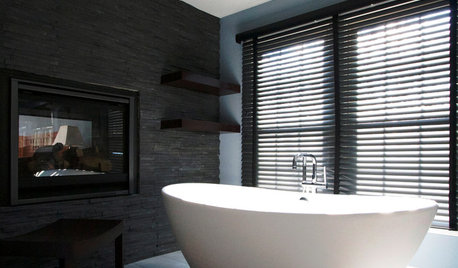
BATHROOM DESIGNDreaming of a Spa Tub at Home? Read This Pro Advice First
Before you float away on visions of jets and bubbles and the steamiest water around, consider these very real spa tub issues
Full Story
Straight-Up Advice for Corner Spaces
Neglected corners in the home waste valuable space. Here's how to put those overlooked spots to good use
Full Story
FEEL-GOOD HOMEThe Pros and Cons of Making Your Bed Every Day
Houzz readers around the world share their preferences, while sleep and housekeeping experts weigh in with advice
Full Story
LANDSCAPE DESIGNDitch the Ordinary Ditch: Create a Realistic Dry Creek Bed
Here’s how to turn your water runoff system into an eye-catching accent for your landscape
Full StorySponsored

Central Ohio's Trusted Home Remodeler Specializing in Kitchens & Baths
shapiro
jaybn
Related Professionals
Fayetteville Landscape Architects & Landscape Designers · California Landscape Architects & Landscape Designers · Vineland Landscape Architects & Landscape Designers · Hudson Landscape Architects & Landscape Designers · Odessa Landscape Architects & Landscape Designers · Hot Springs Landscape Contractors · Richmond Landscape Contractors · Rochester Landscape Contractors · Medford Landscape Contractors · Logan Landscape Contractors · West Plains Design-Build Firms · Aiken Design-Build Firms · Mason City Design-Build Firms · Grand Rapids Design-Build Firms · Olean Design-Build FirmsSparaxis
mimi856
asanaOriginal Author