

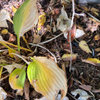
Crown Rot?
18 years ago
Sort by:Oldest
Comments (4)

Related Stories
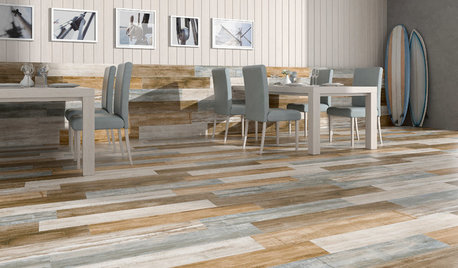
TILETop Tile Trends From the Coverings 2013 Show — the Wood Look
Get the beauty of wood while waving off potential splinters, rotting and long searches, thanks to eye-fooling ceramic and porcelain tiles
Full Story
FLOWERSSee the Amazing Orchids Unfolding at a New York Garden Show
Get an eyeful of awe-inspiring orchids in incredible colors and learn how to keep one happily blooming at home
Full Story
HOUSEPLANTSHow to Grow Orchids Indoors
Orchids are the exotic aristocrats of the flower world and can make themselves comfortable in almost any home
Full Story

REMODELING GUIDESFlat-Sawn Balusters Give Railings All-Out Style
Showcase designs from Victorian patterns to hints at your hobby with this decorative wood railing detail
Full Story
FARM YOUR YARDHow to Build a Raised Bed for Your Veggies and Plants
Whether you’re farming your parking strip or beautifying your backyard, a planting box you make yourself can come in mighty handy
Full Story
GARDENING GUIDESSmall Carpenter Bees Are Looking for a Home in Your Plant Stems
Provide flowers and nesting sites in your garden for this beautiful, tiny, metallic blue wild bee — your plants will thank you
Full Story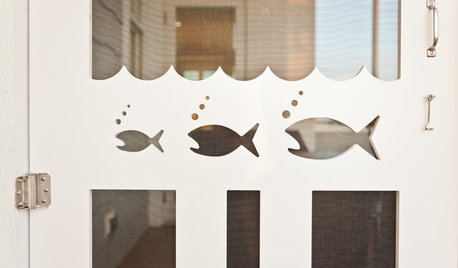
TRIMShutter Cutouts: A Window to One's Soul?
To settle on the perfect shape for this simple detail, follow your heart — or diamond, or maple leaf
Full Story
HOUZZ TOURSMy Houzz: A Smart-Home Jewel in Vancouver
Fully automated, wise about energy use and with ecofriendly features, this Canadian home has become a highlight of the neighborhood
Full Story
TRADITIONAL HOMESHouzz Tour: Pride Restored to a Historic Rhode Island Home
Designers spruce up Narragansett’s first summer cottage while adapting the Victorian-era home for modern living
Full Story

esther_opal
esther_opal
Related Professionals
Charlotte Landscape Architects & Landscape Designers · Torrington Landscape Architects & Landscape Designers · Beatrice Landscape Architects & Landscape Designers · Olean Landscape Architects & Landscape Designers · Concord Landscape Contractors · Lufkin Landscape Contractors · Lafayette Landscape Contractors · Spokane Landscape Contractors · Emporia Home Additions · Hopkinsville Home Additions · Cambridge Home Additions · Greensboro Home Additions · Winston-Salem Home Additions · Oklahoma City Home Additions · Flint Home Additionsken_adrian Adrian MI cold Z5
greenthumbz4mn