Software
Houzz Logo Print
sassy7142

Neem Oil

17 years ago

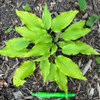
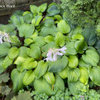
I got the Neem Oil that I had ordered and sprayed the affected hostas today, along with many others for good measure that are in the same beds.

Has anyone else tried the Neem Oil on their hostas for nematodes?

If so, did it work or did I just waste my money and time?

Here's the info that I found on Neem Oil....

Neem Oil affects over 400 varieties of insects and is an important part of an integrated pest management strategy.

In addition to working as a natural leaf polish, neem oil is a biodegradeable, fast acting insect bio-inhibitor.

The oil is absorbed by the pests and interferes with reproduction and feeding for a steady decline in population.

Repels larvae and adults.

Blocking the molting of larvae or nymphs.

Disturbing or inhibiting the development of the eggs, larvae, or pupae.

Disturbing mating and sexual communication.

Sterilising adults

Deterring females from laying eggs.

Deterring feeding

Neem Oil For Animals

Neem Oil And Insects

Neem oil is a botanical pesticide made from an extract of the plant Azadirachta indica. Since it doesn't strongly affect

humans, mammals, or beneficial bugs, farmers use neem oil as an insecticide and miticide to keep away pests like aphids

and white flies. Neem oil even protects crops from fungal infections such as mildew and rust. People use insecticide with

neem oil to repel mosquitoes and lice.

The plant that gives us neem oil originates in Southeast Asia. People from these countries have long noted the benefits of

crushing the leaves and stems against their skin to keep off biting insects like gnats. A wider industrial and commercial

use was found for the potent oil by grinding the seeds of the neem plant. When the oil is distilled from seeds, its

concentrated mixture contains high amounts of the active chemical azadirachtin.

Azadirachtin-rich neem oil gets sprayed on crops as an organic substitute for other harsher insecticides that might be

carcinogenic or have limited uses. Neem oil repels harmful insects like white flies, gnats, aphids, mites, and weevils,

as well as strengthening the crops against rust, scab, mildew, and blight. Edible crops of vegetables do not get poisoned

when neem oil is used.

Neem oil makes the plants it touches taste bitter, so pests won't eat them, as a "contact" insecticide. Azadirachtin also

interrupts insects' transitions between different stages of metamorphosis, such as growing from larvae to pupae.

It prevents insects from developing a hardened exoskeleton. When the chemical gets absorbed through the roots of crops,

it functions as a "systemic insecticide." That means crops don't need to be constantly re-sprayed.

The greatest benefit of using neem oil is that it doesn't harm beneficial insects. Butterflies, earthworms, and bees all help

plants pollinate or absorb nutrients. Lacewings eat insects trying to feed on the crops. But these bugs won't have a negative

reaction to neem oil or azadirachtin.

Neem oil has even made it into cosmetic and household products. Lotions and skin sprays use the oil as a mild insecticide that

isn't likely to cause rashes. If you soak cotton balls in neem oil and place them in your closet, it will dissuade wool moths

from devouring your clothes. While neem oil smells faintly of garlic, many people prefer it to stronger chemical alternatives.

Comments (7)

  • 17 years ago
    last modified: 11 years ago

    I haven't tried it but would like to know how it turns out. Do any of your plants show any signs of nematodes or are you using this as a preventative?

    christine

  • 17 years ago
    last modified: 11 years ago

    Christine, I have been fighting nematodes for several years.

    I believe I've tried every method mentioned on this forum, plus a couple others.

    I wish I would of kept a detailed journal of all my trials.

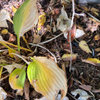
    As of today I have about 10 plants that have showed nematode damage, but it's early yet.

    Here's what I've used to combat them over the years:

    1.Insecticide Soap Spray (Dr Donners soap with mouth wash)

    2.Zerotol Spray (Can't get it anymore)

    3.Hot Water Bath Treatment

    4.Merit Granules

    5.Bleach/water overnight soak

    6.Orthenex Systemic Spray (Cant get it anymore)

    7.Hostas accidently left in a black plastic bag in a black car for over 2 weeks in August.

    8.Neem Oil Spray

    From what I've noticed the most effective method is the Hot Water Bath and the Bleach Water Overnight Soak Treatment.

    Those two methods are also by far the cheapest to use, but also the most work/time consuming.

    The Hot Water Bath Treatment looks to be 100% effective, BUT it left the hostas SEVERELY stunted.

  • 17 years ago
    last modified: 11 years ago

    I am following this post closely, plus the others which have been on the subject of nematodes.

    Today I plan to brave the heat and humidity to cut leaves which appear to be infected, I'll then soak them to see what happens. Unfortunately the infected plants were ones I got earlier this year.

    When do nematodes typically show up in Connecticut - from other posts I see that there appear to be specific times to see the damage appear.

    It seems to me that once nems have appeared there is no getting rid of them - just controlling them.

    Jakki

  • 17 years ago
    last modified: 11 years ago

    Jakki, You're right, I've read that there's no way to get completely rid of them.

    So far, (and the jury is still out) the Hot Water Bath Treatment looks to be the most promising.

    I should post some pics of what that treatment did to the plants though.

    I have to wonder if they will ever be a normal size hosta.

    Nematodes show up here in Northern Ohio in late July and are most active in Sept.

  • 17 years ago
    last modified: 11 years ago

    OY! And I was scared out of my head by stories of HVX last year!

    I am continuing with the soap and mouthwash method because:

    1 It has worked for some people

    2 It is the easiest

    3 I am basically lazy!

    stay tuned....

    christine

  • 17 years ago
    last modified: 11 years ago

    christine, I don't know where you're buying your soap, but I know when I used the soap/mouthwash method I paid big $$ for the soap at GNC.

    There's a cheaper place to get the Dr. Bronners Soap in GALLON size jugs. $32.17 plus $4.99 shipping
    (I'm big on buying in bulk)

    See link below

    Here is a link that might be useful: http://www.vitacost.com/Dr-Bronners-Organic-Pure-Castile-Liquid-Soap-Peppermint

  • 17 years ago
    last modified: 11 years ago

    Maybe I should start a new thread with this info on the soap.