

Poor Aphids
17 years ago
Sort by:Oldest
Comments (2)
Related Stories
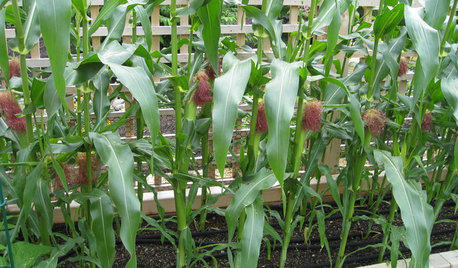
SUMMER FRUITS AND VEGETABLESHow to Grow Your Own Fresh, Sweet Corn
Here's how to plant and care for your own mini cornfield
Full Story
GARDENING GUIDESSummer Crops: How to Grow Peppers
Some like 'em hot; others like them sweet. With the incredible range of peppers available for home gardens, you can have your pick
Full Story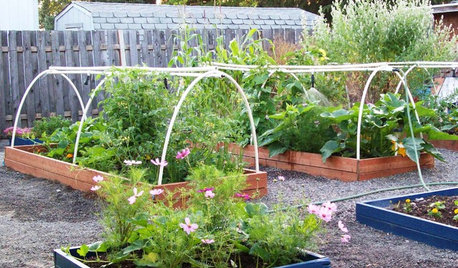
BENEFICIAL INSECTSAttract Pollinators for a Productive Edible Garden
You can lure bees, butterflies and birds into your yard with the right flowers and nesting spots
Full Story
GARDENING GUIDESHow to Keep Your Citrus Trees Well Fed and Healthy
Ripe for some citrus fertilizer know-how? This mini guide will help your lemon, orange and grapefruit trees flourish
Full Story
GARDENING FOR BUTTERFLIESGardening for the Bees, and Why It’s a Good Thing
When you discover how hard bees work for our food supply, you may never garden without them in mind again
Full Story
GARDENING GUIDESHow to Switch to an Organic Landscape Plan
Ditch the chemicals for a naturally beautiful lawn and garden, using living fertilizers and other nontoxic treatments
Full Story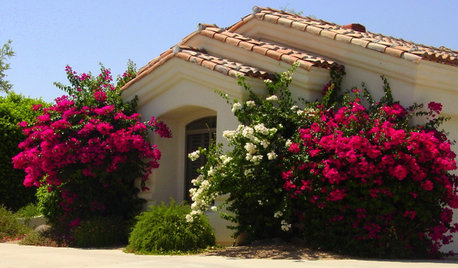
LANDSCAPE DESIGNGreat Design Plant: Sun-Loving Bougainvillea Showers Yards With Color
Bring unbeatable vibrancy to a garden or wall with this unfussy and trainable shrub packed with colorful bracts
Full Story
HOUSEPLANTSIndoor Winter Gardens for Cheerier Days
Bring plants inside for drab-days mood boosting — not to mention cleaner indoor air and protection for your greenery
Full Story
GARDENING GUIDES6 Ways to Grow Edibles in Small Places
No big backyard? Join in the grow-your-own fun with these small-space ideas for planting vegetables, fruits and herbs
Full Story
SUMMER GARDENINGHow to Grow Basil
Bright color, quick growth and endless uses for cooking make this summer annual a winner in the garden or a pot
Full Story
Okiedawn OK Zone 7
rjj1Original Author
Related Professionals
Pine Bluff Landscape Architects & Landscape Designers · Richmond Landscape Architects & Landscape Designers · Morgan City Landscape Architects & Landscape Designers · Spartanburg Landscape Architects & Landscape Designers · Worthington Landscape Architects & Landscape Designers · Edison Landscape Architects & Landscape Designers · Southaven Landscape Contractors · Springfield Landscape Contractors · Rochester Landscape Contractors · Lincoln Landscape Contractors · Portsmouth Accessory Dwelling Units · Fort Worth Accessory Dwelling Units · Leominster Accessory Dwelling Units · Bangor Accessory Dwelling Units · Yuba City Accessory Dwelling Units