

Mulch Madness
15 years ago
Sort by:Oldest
Comment (1)
Related Stories
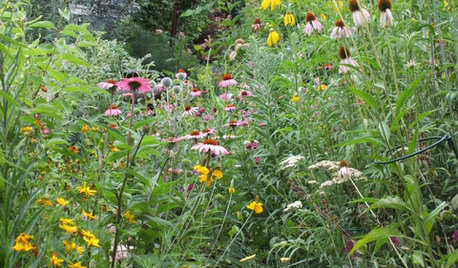
GARDENING FOR BUTTERFLIES3 Ways Native Plants Make Gardening So Much Better
You probably know about the lower maintenance. But native plants' other benefits go far beyond a little less watering and weeding
Full Story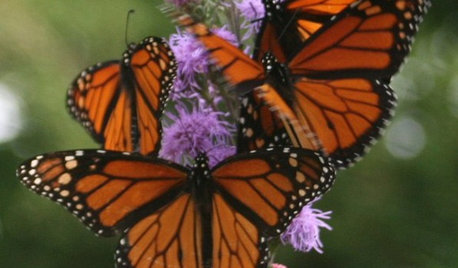
GARDENING FOR BUTTERFLIESButterfly Gardening: Delight the Eyes With Living Sculptures
Surprise and thrill with a garden that attracts magical winged creatures, bringing color, movement and life
Full Story
CALIFORNIA GARDENINGCalifornia Gardener's July Checklist
Bite into tree-fresh apricots, inhale delightful garden perfumes and continue planting vegetables for a late-summer harvest
Full Story
GARDENING GUIDESGet on a Composting Kick (Hello, Free Fertilizer!)
Quit shelling out for pricey substitutes that aren’t even as good. Here’s how to give your soil the best while lightening your trash load
Full Story
GARDENING GUIDESThe Surprising Ingredients Every Good Garden Should Have
See what to do — and not do — for lasting rewards in your landscape
Full Story
GARDENING GUIDESHow to Design a Garden That Lasts
Climates are changing. Wildlife is evolving. Can your garden keep up?
Full Story
FARM YOUR YARDHow to Build a Raised Bed for Your Veggies and Plants
Whether you’re farming your parking strip or beautifying your backyard, a planting box you make yourself can come in mighty handy
Full Story
GARDENING GUIDESSoutheast Gardener's March Checklist
Start fresh by envisioning new plant combinations as you tend to fruit trees and rosebushes — and watch out for those darned voles
Full Story
PETSHouzz Call: Show Us Your Pet Projects!
Bubble windows, fountains, doghouses, showers — what outdoor treats have you put together for your furry friends?
Full Story
EXTERIORSWhere Front Yards Collide: Property Lines in Pictures
Some could be twins; others channel the Odd Couple. You may never look at property boundaries the same way again
Full Story
Okiedawn OK Zone 7
Related Professionals
Middletown Landscape Architects & Landscape Designers · Redding Landscape Architects & Landscape Designers · Coeur d'Alene Landscape Architects & Landscape Designers · Eugene Landscape Architects & Landscape Designers · Hannibal Landscape Contractors · Asheville Landscape Contractors · Greensboro Landscape Contractors · Muncie Landscape Contractors · Monroe Landscape Contractors · El Paso Landscape Contractors · Pullman Landscape Contractors · New London Accessory Dwelling Units · Lancaster Accessory Dwelling Units · Kalispell Accessory Dwelling Units · Olympia Accessory Dwelling Units