Software
Houzz Logo Print
very_blessed_mom

Leftover seed storage ???

18 years ago

I've read that seed when stored properly can be viable for several years. I'm not really clear on what "stored properly" means. The only seed I will probably make an effort to retain is the heirloom tomato seed I've been buying this spring. I thought I'd put them in a small plastic box w/ lid and put in the refrigerator. Does that sound best? Would the freezer be better? Thanks for your advice guys -- I try to do a search before I post questions, but sometimes I can't find a clear answer and feel better asking : )

Jill

Comments (2)

  • 18 years ago
    last modified: 11 years ago

    I put my seed packets in ziplock bags (all the tomato seed packets together etc) then put the little ziplocks into a gallon ziplock and store in the refrigerator.

    Quality of seed makes a difference as well as freshness. I had some sweet 100 cherry tomatoes that took a long time to germinate last year. This year they were taking a LONG time and I bought a fresh packet and they germinated within days. The old seeds finally germinated but it is taking the little plants a long time to catch up. Last year's plants did great once the weather got warm though so I'm not giving up on these.

    Example 2: I had some bell pepper seeds from Tomato Growers Supply Company saved as described from last year. Last fall I bought some Brand X closeout bell pepper seeds. I planted both at the same time this spring and the Tomato Growers Supply seeds did much better (faster germination, bigger plants) despite being packed for the same year. (Of course I had no control over how the closeout seeds were stored over the summer so that may be a factor.)

    I had some old eggplant seed that did not germinate for me at all. The very best germination on my eggplants was from home-grown saved seed. It was cleaned, dried and saved as described in ziplock bags.

    Remember that really hot summer a couple of years ago when everything burned up? I had a black beauty eggplant that survived drought, spider mites and scorching heat. (One survivor out of 4 or 5). It looked awful and I would have pulled it up but it was too hot to go outside. When the weather cooled and the rains came, it put out new leaves and flowers and made another heavy crop. We got so tired of eggplsnt we quit eating them. I let a couple of fruits ripen on the plant and saved the seed. That strain is a "keeper" and I plan to save seed again this fall, if I remember to keep the other varieties out of that garden.

  • 18 years ago
    last modified: 11 years ago

    I store all of my seed in their original seed packets (unless it is seed I've saved myself) and put those seed packets in zip-lock bags.

    All the bags are in a large storage container with a lid.

    I don't store seeds in the refrigerator because I have too many seeds, and would have to have a refrigerator just for seeds and nothing else.

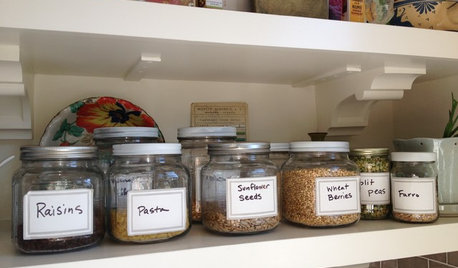
    Keep in mind that seeds vary in how long they remain viable. Although some very experienced gardeners have been able to germinate very old seed, the average person does not have much luck with seed that is a few years old. I also store saved flower seeds in small canning jars (the ones normally used for jelly or jam), but only after the seeds have been dried to a very low moisture rate.

    The two biggest threats to seeds are high temperature and high moisture. If you store your seeds in an area where they are subject to either fluctuating temperature or fluctuating levels of moisture, or both, your seeds will quickly lost their viability. Airtight containers provide the best conditions for seed storage. Examples of such containers are: glass jars with good rubber seals (like canning hars), Zip-Lock bags, seal-a-meal type vacuum-sealed bags, and small muslin bags or paper envelopes which are THEN stored in some sort of airtight container.

    The airtight container should be stored in a cool, dry place and locations closer to the floor are better than locations nearer the ceiling. If you have a root cellar, a dry basement or a tornado shelter that stays dry, these are the best possible locations other than a fridge or freezer.

    You can store seeds in a refrigerator or freezer, and it is the best place to store them as long as they are properly dried and properly sealed in airtight containers.

    FREEZER: Seeds that have been dried so that they have an internal moisture level of 8% or less can be stored long-term in a freezer in airtight containers. If properly dried and stored, these freezer-stored seeds can remain viable 10 times as long as those stored in a different manner.

    REFRIGERATOR: This is the second-best place to store seeds if you can't store them in a freezer.

    The third best place? Any dry, cool location as previously discussed.

    If you store seeds in a freezer or fridge, it is best NOT to remove them from storage and then plant them the same day. Instead, take them out and let them thaw/warm up naturally, container unopened, at room temperature. If you open them up before they have reached room temperature, moisture will condense on them and that will negatively affect their viability.

    Also, when you retrieve seeds that have been stored at very low moisture levels, remove the ones you want to plant from their airtight container, and let them remain exposed to room temperatures/air for a few days. This lets them gradually absorb a little moisture from the air before you plant them, and this is better for them than going from a very low moisture environment to a moisture-rich soil environment overnight.

    I've linked a chart that show general viability rates of most vegetable seed varieties. It is at the bottom of the linked page.

    Here is a link that might be useful: List of How Long Stored Seeds Remain Viable