

Do Scale Insects (or their precursors) Overwinter?
17 years ago
Sort by:Oldest
Comments (12)
Related Stories
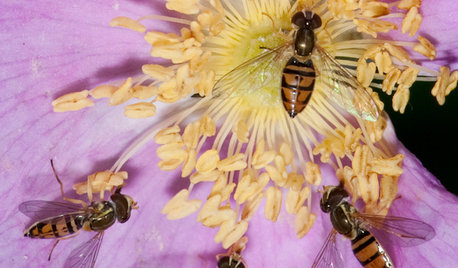
GARDENING GUIDESThis Fly Is One of the Most Beneficial Insects Around
Meet the syrphid fly, a colorful pollinator that also beats chemicals for controlling aphids and other garden pests
Full Story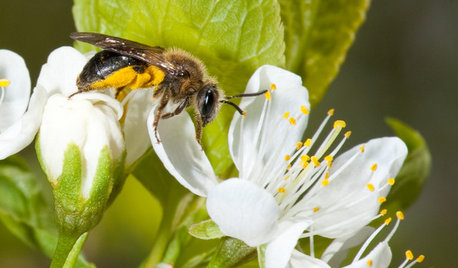
GARDENING GUIDESInvite Mining Bees to Your Garden by Planting Their Favorite Plants
Look for mining bees (Andrena) pollinating woodland wildflowers in U.S. gardens this spring
Full Story
HOUSEPLANTSOutsmart Winter — Make Houseplants of Your Garden Growers
No need to watch Jack Frost play Wreck the Rosemary. Bring your garden inside for the winter, using containers and these guidelines
Full Story
HOUSEPLANTSIndoor Winter Gardens for Cheerier Days
Bring plants inside for drab-days mood boosting — not to mention cleaner indoor air and protection for your greenery
Full Story
GARDENING GUIDES10 Easy Edibles for First-Time Gardeners
Focus on these beginner-friendly vegetables, herbs, beans and salad greens to start a home farm with little fuss
Full Story
SUMMER GARDENINGHouzz Call: Please Show Us Your Summer Garden!
Share pictures of your home and yard this summer — we’d love to feature them in an upcoming story
Full Story
GARDENING GUIDESFlower Shows Sow Ideas for Your Garden
There’s much design inspiration to be gathered at garden shows. Here are some ideas to start you off
Full Story
Sponsored
jean001
Kimmsr
Related Professionals
Mobile Landscape Architects & Landscape Designers · Richmond Landscape Architects & Landscape Designers · Chillicothe Landscape Architects & Landscape Designers · Kenosha Landscape Architects & Landscape Designers · Kalispell Landscape Architects & Landscape Designers · Bronx Landscape Architects & Landscape Designers · Springfield Landscape Contractors · Victoria Landscape Contractors · Kearney Landscape Contractors · Carbondale Kitchen Remodelers · Greenville Kitchen Remodelers · Florence Kitchen Remodelers · Kankakee Kitchen Remodelers · Lima Kitchen Remodelers · Clearlake Kitchen Remodelersjean001
rhizo_1 (North AL) zone 7
DebbieOriginal Author
Kimmsr
morz8 - Washington Coast
jean001
rhizo_1 (North AL) zone 7
meyermike_1micha
rhizo_1 (North AL) zone 7
NortherOntario