

Somewhat off topic;i don't quit get it...
19 years ago
Sort by:Oldest
Comments (8)

Related Stories
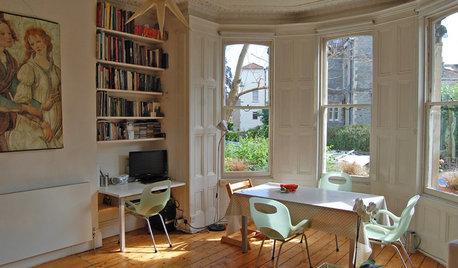
MOVING10 Rooms That Show You Don’t Need to Move to Get More Space
Daydreaming about moving or expanding but not sure if it’s practical right now? Consider these alternatives
Full Story
DECORATING GUIDESThe Hottest Houzz Discussion Topics of 2012
Discussions rocked and rolled this year with advice, support, budding friendships — and oh, yes, a political opinion or two
Full Story
STORAGEHat Storage: Don’t Get Bent Out of Shape
From boxes to hooks, we look at ways to keep your lid on straight in time for summer hat season
Full Story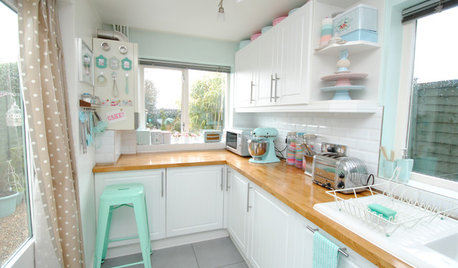
KITCHEN DESIGNGet Your Kitchen ‘Bake Off’ Ready
Make it easy to whip up a cake or a batch of cookies with these tips for organizing your space
Full Story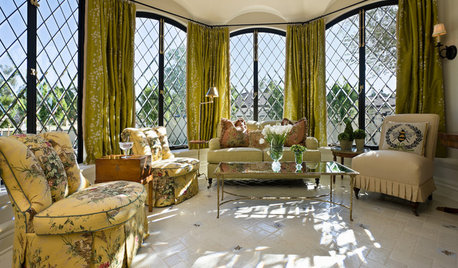
DECORATING GUIDESGetting the Room Right: Part I
Great Spaces Show How to Avoid the Top 10 Decorating Mistakes
Full Story
LIFEThe Polite House: How Can I Kindly Get Party Guests to Use Coasters?
Here’s how to handle the age-old entertaining conundrum to protect your furniture — and friendships
Full Story
KITCHEN DESIGNHave Your Open Kitchen and Close It Off Too
Get the best of both worlds with a kitchen that can hide or be in plain sight, thanks to doors, curtains and savvy design
Full Story
COLORPick-a-Paint Help: How to Quit Procrastinating on Color Choice
If you're up to your ears in paint chips but no further to pinning down a hue, our new 3-part series is for you
Full Story
COLOR8 Color Palettes You Can't Get Wrong
Can't decide on a color scheme? Choose one of these foolproof palettes for a room that feels both timeless and fresh
Full Story
STORAGE14 Ways to Get More Bedroom Storage
Quit wading through that clothing swamp. These bedroom storage solutions will put you back in serenity territory
Full Story
garyfla_gw
watergal
Related Professionals
New Orleans Landscape Architects & Landscape Designers · Charleston Landscape Architects & Landscape Designers · Detroit Landscape Architects & Landscape Designers · Kalamazoo Landscape Architects & Landscape Designers · Nashua Landscape Architects & Landscape Designers · Carson City Landscape Architects & Landscape Designers · Rapid City Landscape Architects & Landscape Designers · Terre Haute Landscape Contractors · Zanesville Landscape Contractors · Aurora Landscape Contractors · Toledo Landscape Contractors · Enid Architects & Building Designers · Chambersburg Architects & Building Designers · Liberal Architects & Building Designers · Kalispell Architects & Building Designersturtile
alex_7b
JohnnieB
ronalawn82
Dave in NoVA • N. Virginia • zone 7A
orchiddude