

About beneficial nematodes...
18 years ago
Sort by:Oldest
Comments (2)
Related Stories

EARTH DAYHow to Help Your Town’s Beneficial Birds and Bugs
Make a habitat using local materials to provide a home to the creatures that help our gardens
Full Story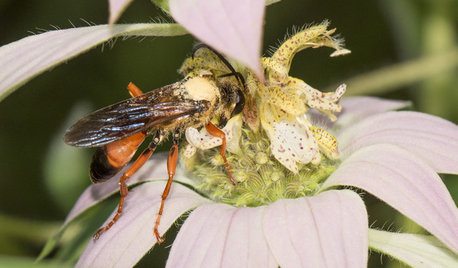
GARDENING GUIDESGreat Golden Digger Wasp: A Beneficial Flower-Visiting Insect
Introducing the great golden digger wasp, a colorful pollinator that also hunts foliage-eating insects
Full Story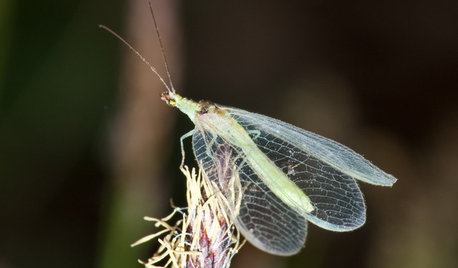
GARDENING GUIDESLook Out for Lacewings: Beneficial Insects Coming to a Garden Near You
Lacewings are delicate insects that produce alligator-like, hungry offspring that devour aphids and other garden pests
Full Story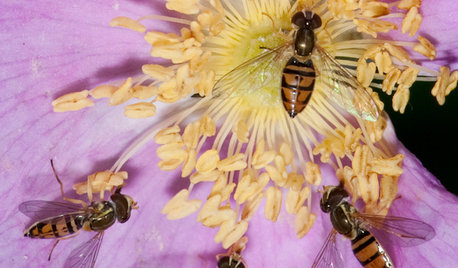
GARDENING GUIDESThis Fly Is One of the Most Beneficial Insects Around
Meet the syrphid fly, a colorful pollinator that also beats chemicals for controlling aphids and other garden pests
Full Story
GARDENING GUIDESNew Ways to Think About All That Mulch in the Garden
Before you go making a mountain out of a mulch hill, learn the facts about what your plants and soil really want
Full Story
GARDENING GUIDESWhat Prairies Teach Us About Garden Design
Wild spaces offer lessons for home gardeners about plants, pollinators and the passage of time
Full Story
KITCHEN DESIGNKitchen of the Week: Making Over a Rental for About $1,500
Fresh paint, new hardware, added storage, rugs and unexpected touches breathe new life into a Los Angeles apartment’s kitchen
Full Story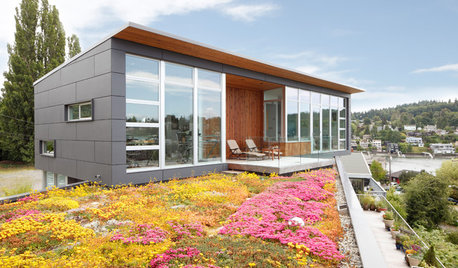
CONTRACTOR TIPSBuilding Permits: What to Know About Green Building and Energy Codes
In Part 4 of our series examining the residential permit process, we review typical green building and energy code requirements
Full Story
ARCHITECTURE4 Things a Hurricane Teaches You About Good Design
When the power goes out, a home's design can be as important as packaged food and a hand-crank radio. See how from a firsthand account
Full Story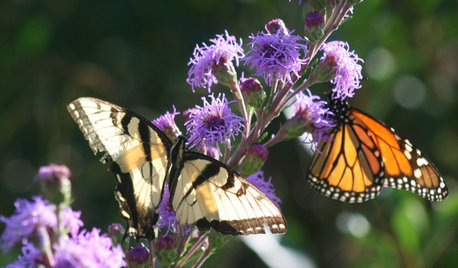
FALL GARDENINGWhat Monarch Butterflies Taught Me About Garden Design
Thinking like a butterfly leads to fresh perspectives in the garden and in life
Full Story
Okiedawn OK Zone 7
devilwomanOriginal Author
Related Professionals
Newport News Landscape Architects & Landscape Designers · Salt Lake City Landscape Architects & Landscape Designers · Florence Landscape Contractors · Murfreesboro Landscape Contractors · Abilene Landscape Contractors · Waco Landscape Contractors · Virginia Beach Landscape Contractors · Detroit Landscape Contractors · Duluth Landscape Contractors · Madison Accessory Dwelling Units · Bartlesville Accessory Dwelling Units · South Bend Accessory Dwelling Units · Pittsburgh Accessory Dwelling Units · Edmonton Accessory Dwelling Units · Vancouver Accessory Dwelling Units