

caterpillars...what to do?????
17 years ago
Sort by:Oldest
Comments (6)
Related Stories
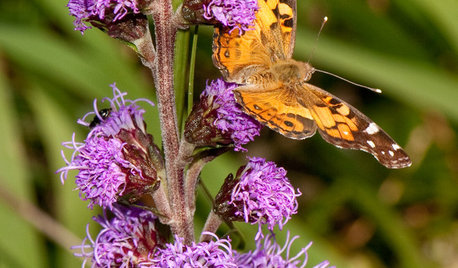
GARDENING GUIDESAmerican Lady Butterflies Add Delight to Summer Gardens
Provide native nectar and larval host plants to welcome these migratory butterflies
Full Story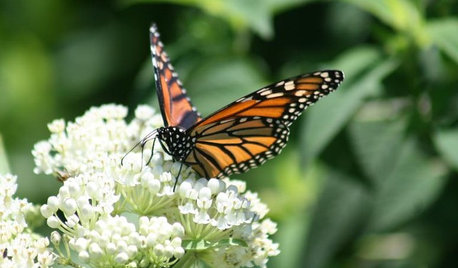
GARDENING FOR BUTTERFLIESBe a Butterfly Savior — Garden for the Monarchs
Keep hope, beauty and kindness alive in the landscape by providing a refuge for these threatened enchanters
Full Story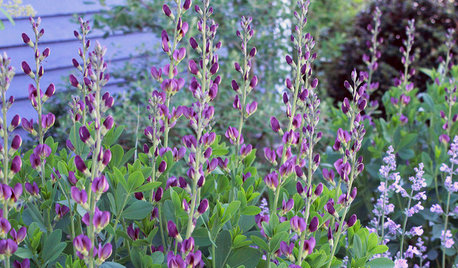
GARDENING FOR BUTTERFLIES7 Native Wildflowers to Make You an Awesome Butterfly Host
Offer the leaves of these and you’ll get more butterflies than with flower nectar alone
Full Story
GARDENING GUIDES6 Plants That Beat Butterfly Bush for the Wildlife Draw
It's invasive, a nonnative and a poor insect magnet. Check out these better alternatives to butterfly bush in the garden
Full Story
GARDENING GUIDESHummingbird or Moth? See Why You Want Clearwings Around
These fascinating moths may be helpful pollinators for your garden. Here’s how to coax them your way
Full Story
GARDENING GUIDESEntice Eastern Tiger Swallowtails With Summer Flowers
Grow nectar-rich native bloomers and larval host plants for these endearing butterflies
Full Story
GARDENING GUIDESGreat Design Plant: Asclepias Verticillata
Plant whorled milkweed in dry central and eastern U.S. gardens to attract monarch butterflies and other insect pollinators
Full Story
GARDENING GUIDESGreat Design Plant: Asclepias Incarnata for a Butterfly Garden
Beautiful swamp milkweed makes it easy to help monarchs and other pollinators in eastern U.S. gardens
Full Story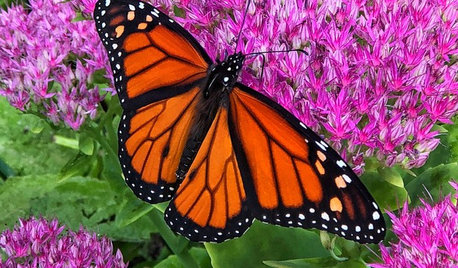
GARDENING GUIDES6 Steps to Creating Your Butterfly Garden
Encourage these fanciful winged beauties to visit your garden while helping restore their fragmented habitat
Full Story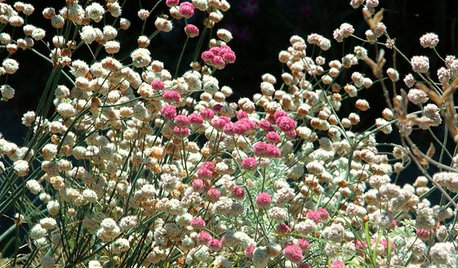
GARDENING GUIDESGreat Design Plant: Eriogonum Nudum, a Summer Oasis for Pollinators
Naked buckwheat is a bee and butterfly magnet with an easy nature, a tough constitution and profuse pom-pom flowers in summer
Full Story
Sponsored
Kimmsr
jean001
Related Professionals
Fort Myers Landscape Architects & Landscape Designers · Kissimmee Landscape Architects & Landscape Designers · Pittsfield Landscape Architects & Landscape Designers · Pittsburgh Landscape Architects & Landscape Designers · Baton Rouge Landscape Contractors · San Marcos Landscape Contractors · Williamsburg Landscape Contractors · Chillicothe Landscape Contractors · Santa Maria Landscape Contractors · Magnolia Kitchen Remodelers · Myrtle Beach Kitchen Remodelers · Memphis Kitchen Remodelers · Murfreesboro Kitchen Remodelers · Galveston Kitchen Remodelers · Manchester Kitchen Remodelersrhizo_1 (North AL) zone 7
Kimmsr
jean001
rhizo_1 (North AL) zone 7