

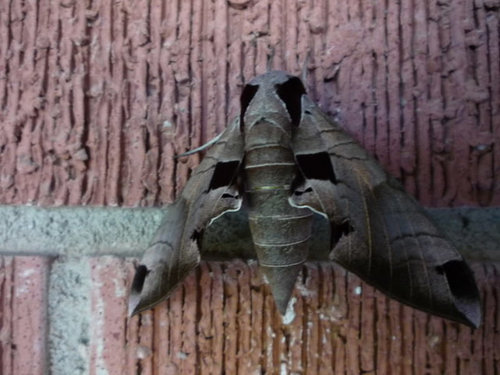
Need another ID
18 years ago
Sort by:Oldest
Comments (6)

Related Stories
HOUSEKEEPINGAnother Independence Day: When Kids Can Do Their Laundry
Set yourself free and give your child a valuable life skill at the same time
Full Story
MOVINGSaying Goodbye to One Home and Hello to Another
Honor your past and embrace your future with these ideas for easing the transition during a move
Full Story
HOUSEKEEPINGDon't Touch Another Stain Before You Read This
Even an innocent swipe with water may cause permanent damage. Here's what to know about how rugs and fabrics react
Full Story
EVENTSDon't Throw Away Another Household Item Before Reading This
Repair Cafe events around the world enlist savvy volunteers to fix broken lamps, bicycles, electronics, small appliances, clothing and more
Full Story
HOUZZ TOURSHouzz Tour: Cool, Calm Edwardian Gets Another Update
See the second stage of an evolving home in San Francisco
Full Story
MORE ROOMSRooms I'd Like to See Wrapped Up as Gifts for the Holidays!
What Room Do You Have on Your Gift List This Year?
Full Story
MOST POPULARA Fine Mess: How to Have a Clean-Enough Home Over Summer Break
Don't have an 'I'd rather be cleaning' bumper sticker? To keep your home bearably tidy when the kids are around more, try these strategies
Full Story
MOST POPULARHouzz Quiz: What Style of Kitchen Should You Have?
Should you be cooking up a storm in a modern, traditional, farmhouse or another style of kitchen? Take our quiz to find out
Full Story
TINY HOUSESAdventure Seekers Hit the Road in a Cozy School Bus Home
Wood floors, butcher block countertops, custom furnishings and LED lights make life on the road feel like just another stylish day at home
Full Story
SIDE YARD IDEASNarrow Trees for Tight Garden Spaces
Boost interest in a side yard or another space-challenged area with the fragrance and color of these columnar trees
Full Story
Okiedawn OK Zone 7
Lisa_H OKOriginal Author
Related Professionals
Fort Myers Landscape Architects & Landscape Designers · York Landscape Architects & Landscape Designers · Columbia Landscape Architects & Landscape Designers · Clearlake Landscape Architects & Landscape Designers · Anderson Landscape Contractors · Abilene Landscape Contractors · Fergus Falls Landscape Contractors · Oshkosh Landscape Contractors · Fresno Landscape Contractors · Santa Rosa Landscape Contractors · Las Vegas Landscape Contractors · Springfield Accessory Dwelling Units · Rock Hill Accessory Dwelling Units · San Jose Accessory Dwelling Units · Farmington Accessory Dwelling UnitsOkiedawn OK Zone 7
susanlynne48
Okiedawn OK Zone 7
susanlynne48