

Squash Vine Borer Covers
12 years ago
Sort by:Oldest
Comments (5)
Related Stories
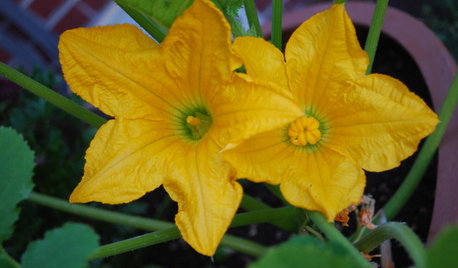
EDIBLE GARDENSSummer Crops: How to Grow Squash
Almost foolproof and with cheerful flowers, squash comes in a wide range of varieties to plant in spring
Full Story
PINK FLOWERSGreat Design Plant: Pink Trumpet Vine Heralds Vibrant Color
Announce your landscape beautification efforts with this flowering vine that perks up hot, dry gardens
Full Story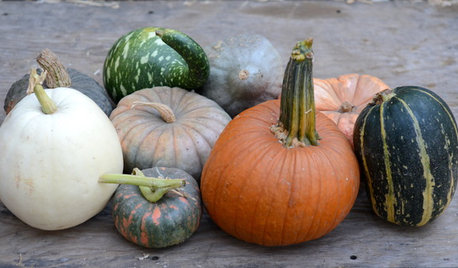
GARDENING GUIDESJoin Us for a Parade of Pumpkins
Fall eye candy: Get to know 9 winter squash varieties, including Long Island Cheese and Blue Hubbard
Full Story
GROUND COVERSGround Force: 10 Top Ground Covers for Your Garden
Protect your soil from weeds and drought this summer with a living mulch of ground covers
Full Story
FARM YOUR YARDHouzz Call: Home Farmers, Show Us Your Edible Gardens
We want to see where your tomatoes, summer squashes and beautiful berries are growing this summer
Full Story
FALL GARDENINGCalifornia Gardener's September Checklist
Planting opportunities abound this month: perennials, lawns, wildflowers and more. Our primer covers 'em all
Full Story
LANDSCAPE DESIGN15 Great Ideas for a Lawn-Free Yard
End the turf war for good with hardscaping, native grasses and ground covers that save water and are easier to maintain
Full Story
EDIBLE GARDENSSummer Crops: How to Grow Pumpkins
Start in spring to grow your own fall decorations and have plenty left for pies
Full Story
GARDENING GUIDESYour Garden Is Stirring — Here’s What to Do in February
February is a good time to start seeds, shape up shrubs and watch for the earliest blooms. Here’s what to do in your part of the U.S. now
Full Story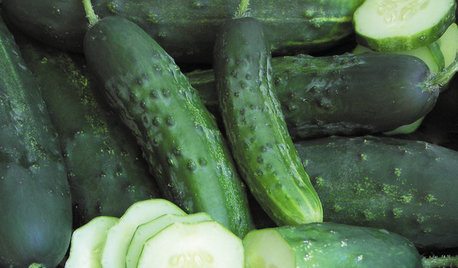
SUMMER FRUITS AND VEGETABLESSummer Crops: How to Grow Cucumbers
Pick a peck for pickles or opt for fewer and raw — no matter how you slice them, cucumbers are great for summer gardens small to large
Full Story
Sponsored
alisande
cmonkeyOriginal Author
Related Professionals
Petersburg Landscape Architects & Landscape Designers · Jackson Landscape Contractors · Starkville Landscape Contractors · Winston-Salem Landscape Contractors · Aiken Landscape Contractors · Victoria Landscape Contractors · Kalispell Landscape Contractors · Owensboro Kitchen Remodelers · Charlotte Kitchen Remodelers · McAllen Kitchen Remodelers · Waterbury Kitchen Remodelers · Flint Kitchen Remodelers · Palm Desert Kitchen Remodelers · Grand Junction Kitchen Remodelers · Kennewick Kitchen RemodelersKimmsr
bobb_2002
Kimmsr