

Winter Potatoes?
17 years ago
Sort by:Oldest
Comment (1)
Related Stories

COOL-SEASON CROPSCool-Season Vegetables: How to Grow Potatoes
This ever-popular tuber is a stalwart in spring and fall gardens and a staple in kitchens everywhere
Full Story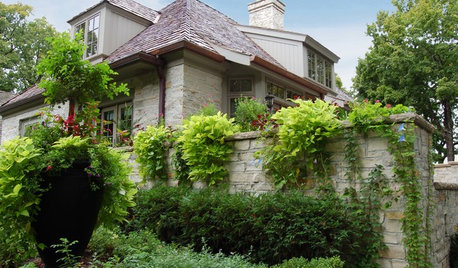
FOLIAGEGreat Design Plant: Ornamental Sweet Potato Vine
Versatile, fast growing, inexpensive and easy on the eyes, ornamental sweet potato vine has it all
Full Story
WINTER GARDENING7 Container Plantings to Bring Winter Gardens to Life
Adding instant color but with long-lasting practicality, these plant groupings are bright spots in a slumbering wintertime garden
Full Story
HOUSEPLANTSIndoor Winter Gardens for Cheerier Days
Bring plants inside for drab-days mood boosting — not to mention cleaner indoor air and protection for your greenery
Full Story
ENTERTAININGBeat Winter's Chill With an Indoor Picnic
Build warm memories with loved ones by bringing lighthearted outdoor dining to your living room
Full Story
LIFE6 Ways to Beat the Winter Blahs
Snow and dark days dampening your spirits? These ideas will have you looking on the bright side
Full Story
LIFEHard Winter? 9 Ways to Battle Cabin Fever
We know a lot of you are trapped where it just won’t stop snowing. Here are some ways to survive
Full Story
HOUSEKEEPINGTo-Dos: Your March Home Checklist
It’s time to rid yourself of winter’s heaviness and set up for spring
Full Story
WINTER GARDENINGGreat Design Plant: Ornamental Cabbage and Kale
Yes, you can actually eat them. Or you can just marvel at their striking, unusual foliage during all four seasons in the garden
Full Story
COOL-SEASON CROPSCool-Season Vegetables: How to Grow Parsnips
This unfairly maligned root vegetable is the ideal choice for a winter garden, sweetening with the frost and having a long storage life
Full Story
Okiedawn OK Zone 7
Related Professionals
Hot Springs Landscape Contractors · Orlando Landscape Contractors · Mount Vernon Landscape Contractors · Bloomington Landscape Contractors · Raleigh Landscape Contractors · Florence Landscape Contractors · Wichita Falls Landscape Contractors · Morgantown Landscape Contractors · Elmira Landscape Contractors · Enfield Accessory Dwelling Units · Stamford Accessory Dwelling Units · Waterbury Accessory Dwelling Units · Scranton Accessory Dwelling Units · Redding Accessory Dwelling Units · Queens Accessory Dwelling Units