

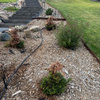
Pear Trees Dying
19 years ago
Sort by:Oldest
Comments (7)
Related Stories
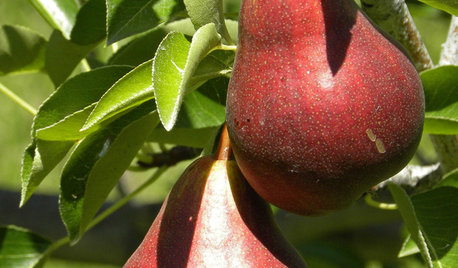
EDIBLE GARDENSHow to Grow Your Own European and Asian Pears
Try these trees for their good looks, delicious fruit and wide range of sizes — plus you can espalier them
Full Story
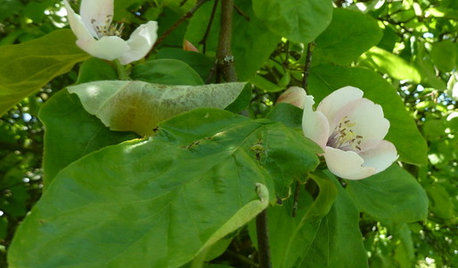
EDIBLE GARDENSWhy Grow Quince? For Beauty, Fragrance and Old-Time Flavor
Delightfully perfumed fruit and lovely spring blossoms make this apple and pear cousin worth a spot in the garden
Full Story
FARM YOUR YARDIf You Have Room for Only One Fruit Tree ...
Juice up a small garden with one of these easier-care or worth-the-effort fruit trees for a mild climate
Full Story
EDIBLE GARDENSHow to Grow 10 Favorite Fruit Trees at Home
Plant a mini orchard in fall, winter or early spring to enjoy fresh-off-the-tree fruit the following year
Full Story
EDIBLE GARDENSHow to Add an Apple Tree to Your Edible Garden
Readily available, beautiful and fragrant, apple trees offer four-season interest along with crisp, juicy fruit
Full Story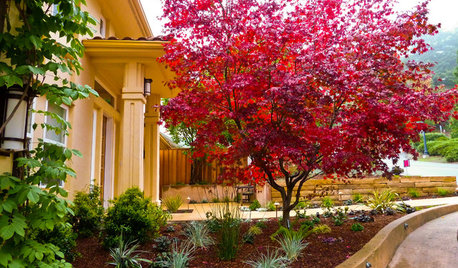
LANDSCAPE DESIGN7 Great Trees for Summer Shade and Fall Color
These landscape-pro faves straddle the seasons beautifully. Could one enhance your own yard?
Full Story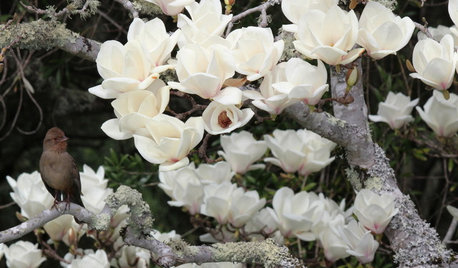
SPRING GARDENING7 Spectacular and Practical Spring-Flowering Trees
Put on a beauteous show in the garden with a landscape tree awash in flowers — just do your homework first
Full Story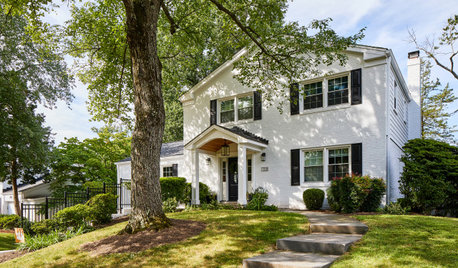
LANDSCAPE DESIGN8 Reasons to Plant a Great Tree
Beauty is its own reward, but the benefits of planting the right tree in the right place go way beyond looks
Full Story
HOLIDAYSHouzz Call: Show Us Your Christmas Tree!
How lovely are your branches? Post a picture and share your stories
Full Story
Sponsored
botanybob
ladyevil2172Original Author
Related Professionals
Miami Landscape Architects & Landscape Designers · Champaign Landscape Architects & Landscape Designers · Binghamton Landscape Architects & Landscape Designers · Leamington Landscape Architects & Landscape Designers · Richmond Landscape Contractors · Longview Landscape Contractors · Waco Landscape Contractors · Newport News Landscape Contractors · Rockford Landscape Contractors · Greenfield Landscape Contractors · Mansfield Landscape Contractors · St. Louis Kitchen Remodelers · Davenport Kitchen Remodelers · Newark Kitchen Remodelers · Jamestown Kitchen RemodelersKimmsr
squonnk
georgez5il
ladyevil2172Original Author
rhizo_1 (North AL) zone 7