

massive mildew
20 years ago
Sort by:Oldest
Comments (3)

Related Stories
DECORATING GUIDESDecorate With Intention: Unbury Your Treasures
Love letters languishing in a box? Memories getting mildewed? Give them pride of place on your walls for more meaningful decor in your home
Full Story
BATHROOM DESIGNOutfit Your Shower With the Right Bench for You
Whether you want a simple perch or a massive seat in your shower, our guide can help
Full Story
HOUZZ TOURSMy Houzz: Dive Into a Cajun Country Home With an Indoor Pool
Drenched in sunshine from a massive glass atrium roof, this newly redesigned Louisiana home works swimmingly
Full Story
BATHROOM DESIGNWater Damage Spawns a Space-Saving Bathroom Remodel
A game of inches saved this small New York City bathroom from becoming too cramped and limited
Full Story
HOUZZ TOURSHouzz Tour: Just-Right Realism in an Eclectic Family Home
With 1,100 square feet, a modest budget and 2 young children, a San Francisco family embraces a creative DIY approach
Full Story
DECORATING GUIDESGet the Scoop on Finding the Best Paint for Your Money
Scoring the best deal on paint for your home may have nothing to do with advertised specials
Full Story
CONTEMPORARY HOMESHouzz Tour: A Bark-Covered Floating Getaway on Lake Union
If the unusual siding doesn’t clue you in to the fine craftsmanship in this floating home, the handmade handrails, lights and furniture will
Full Story
MATERIALSInsulation Basics: What to Know About Spray Foam
Learn what exactly spray foam is, the pros and cons of using it and why you shouldn’t mess around with installation
Full Story
MATERIALS10 Modern Marble Looks
Marble has broken free of the standard kitchen countertop slab and is showing up on bathtub backsplashes, modern dining tables and more
Full Story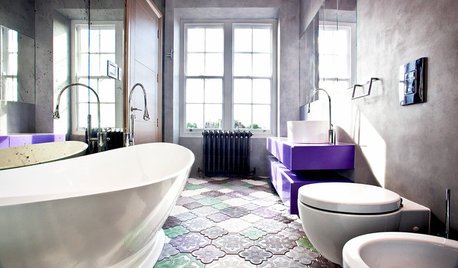
BATHROOM DESIGN14 Bathroom Design Ideas Expected to Be Big in 2015
Award-winning designers reveal the bathroom features they believe will emerge or stay strong in the years ahead
Full Story
justaguy2
ken_adrian Adrian MI cold Z5
Related Professionals
Dalton Landscape Architects & Landscape Designers · Dubuque Landscape Architects & Landscape Designers · Fargo Landscape Architects & Landscape Designers · Cleveland Landscape Architects & Landscape Designers · Eau Claire Landscape Architects & Landscape Designers · Bakersfield Landscape Architects & Landscape Designers · Mesquite Landscape Architects & Landscape Designers · Mobile Landscape Contractors · Sierra Vista Landscape Contractors · Valdosta Kitchen Remodelers · Rocky Mount Kitchen Remodelers · Richmond Kitchen Remodelers · Rochester Kitchen Remodelers · Grand Island Kitchen Remodelers · Canton Kitchen Remodelersheptacodium