

Advice needed for a drainage setup.
18 years ago
Sort by:Oldest
Comment (1)
Related Stories
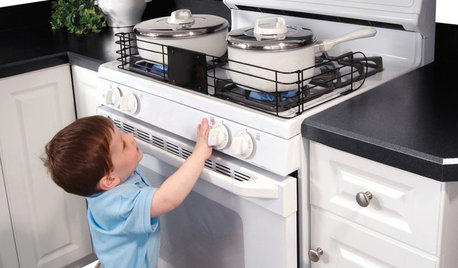
HEALTHY HOMEHow to Childproof Your Home: Expert Advice
Safety strategies, Part 1: Get the lowdown from the pros on which areas of the home need locks, lids, gates and more
Full Story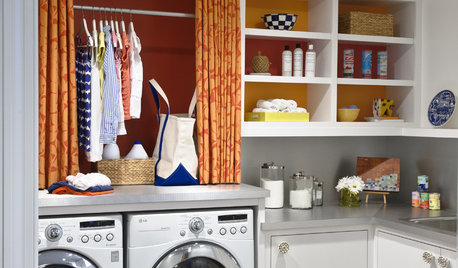
REMODELING GUIDESContractor Tips: Advice for Laundry Room Design
Thinking ahead when installing or moving a washer and dryer can prevent frustration and damage down the road
Full Story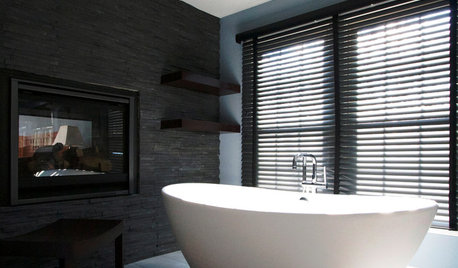
BATHROOM DESIGNDreaming of a Spa Tub at Home? Read This Pro Advice First
Before you float away on visions of jets and bubbles and the steamiest water around, consider these very real spa tub issues
Full Story
KITCHEN STORAGEKnife Shopping and Storage: Advice From a Kitchen Pro
Get your kitchen holiday ready by choosing the right knives and storing them safely and efficiently
Full Story
FARM YOUR YARDAdvice on Canyon Farming From L.A.'s Vegetable Whisperer
See how a screened garden house and raised beds help an edible garden in a Los Angeles canyon thrive
Full Story
TASTEMAKERSBook to Know: Design Advice in Greg Natale’s ‘The Tailored Interior’
The interior designer shares the 9 steps he uses to create cohesive, pleasing rooms
Full Story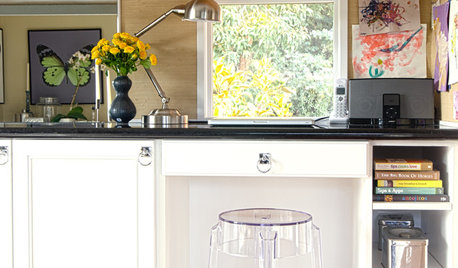
KITCHEN DESIGNHome Setups That Serve You: Designing the Kitchen
Crayons near the silverware? A printer on the counter? Go ahead — if your kitchen doesn't cater to your needs, it's not doing its job
Full Story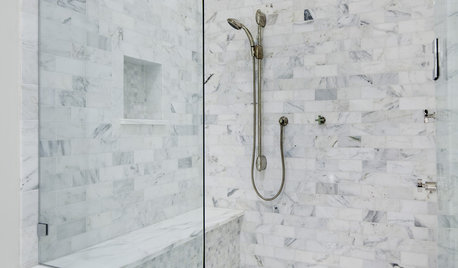
BATHROOM DESIGNConvert Your Tub Space Into a Shower — Waterproofing and Drainage
Step 4 in swapping your tub for a sleek new shower: Pick your waterproofing materials and drain, and don't forget to test
Full Story
HOME OFFICESHome Setups That Serve You: Designing the Office
Arrange an organized workspace that suits your habits, and watch the rest of your home become more streamlined
Full Story
CONTRACTOR TIPSContractor Tips: 10 Home Areas That Likely Need a Pro
Safety, less cost and better aesthetics on a home improvement project may rest in the hands of an expert
Full Story
squonnk
Related Professionals
Cleveland Landscape Architects & Landscape Designers · Lima Landscape Architects & Landscape Designers · Danville Landscape Contractors · Hartford Landscape Contractors · Dubuque Landscape Contractors · Ontario Landscape Contractors · Spokane Landscape Contractors · Pensacola Architects & Building Designers · Morgan City Architects & Building Designers · Joplin Architects & Building Designers · Cherry Hill Architects & Building Designers · Athens Architects & Building Designers · Albuquerque Architects & Building Designers · Carson City Architects & Building Designers · Kahului Architects & Building Designers