

Anyone have experience rooting baptisia?
21 years ago
Sort by:Oldest
Comments (4)
Related Stories

FLOWERS AND PLANTSPlant Baptisia Bracteata for Blooms Pollinators Will Love
Longbract wild indigo is great in dry soil, and its spring flowers attract butterflies and bumblebees
Full Story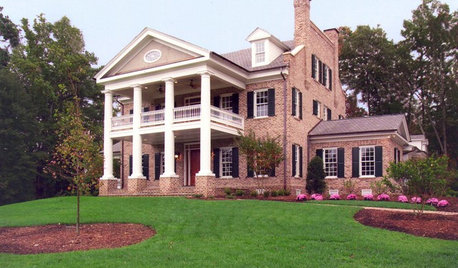
ARCHITECTURERoots of Style: Meet Your Traditional Home's Classical Ancestors
Traditional architecture's genes began in ancient Greece and Rome — discover your home's style forefathers here
Full Story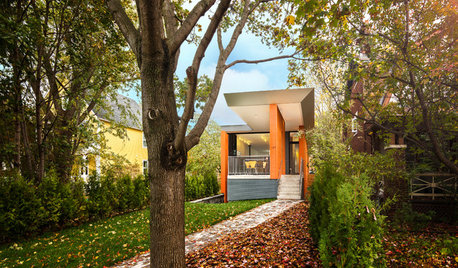
MODERN HOMESHouzz Tour: A Modern Home Rooted in Its Place
It's partially buried in the earth, but with a cantilevered roof and strong colors, this Ottawa home is anything but shy
Full Story
ARCHITECTURERoots of Style: Queen Anne Homes Present Regal Details
Complex facades with bay windows, multiple shingle patterns and even towers make these Victorian-era homes a sight to behold
Full Story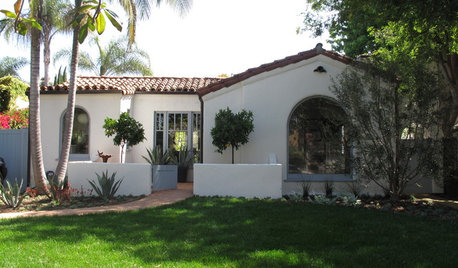
ARCHITECTURERoots of Style: Many Cultures Make Their Marks on Mediterranean Design
If you live in California, Florida or certain other parts of the U.S., your architecture may show distinct cultural influences
Full Story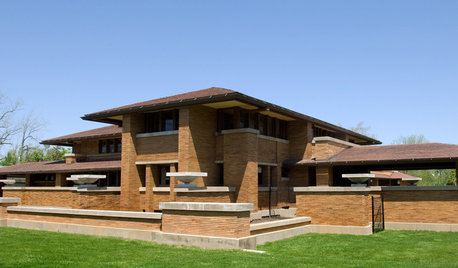
ARCHITECTURERoots of Style: Prairie Architecture Ushers In Modern Design
Twentieth-century Midwestern architects gave us broad-shouldered homes inspired by the landscape and modern times
Full Story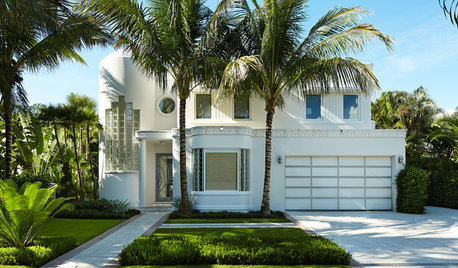
ARCHITECTURERoots of Style: Art Deco and Art Moderne
Get to know the similarities and differences between these architectural styles of the 1920s and 1930s
Full Story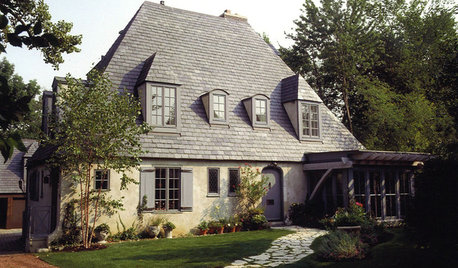
ARCHITECTURERoots of Style: French Eclectic Design Continues to Charm
Hip roofs, towers, quoins ... if your house includes architectural elements like these, you might trace its design lineage to France
Full Story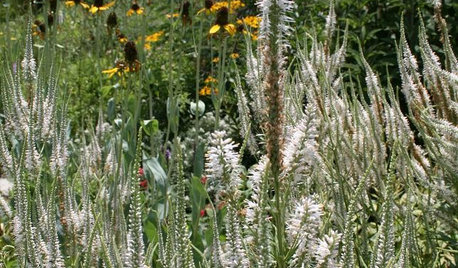
CENTRAL PLAINS GARDENINGGreat Design Plant: Culver's Root
Spiky summer blooms beloved by butterflies and architectural interest in winter make this Midwest native plant worth featuring in the garden
Full Story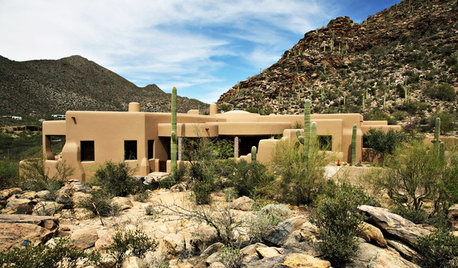
TRADITIONAL ARCHITECTURERoots of Style: Pueblo Revival Architecture Welcomes Modern Life
Centuries-old details of adobe construction still appeal in the desert Southwest, adapted to today's tastes
Full StorySponsored

Innovative & Creative Custom Closet Designer Servicing Franklin County
More Discussions
clibanarius
alicia7bOriginal Author
Related Professionals
Tulsa Landscape Architects & Landscape Designers · San Antonio Landscape Architects & Landscape Designers · Hartford Landscape Architects & Landscape Designers · North Adams Landscape Architects & Landscape Designers · Wheeling Landscape Architects & Landscape Designers · Phoenix Landscape Architects & Landscape Designers · San Diego Landscape Architects & Landscape Designers · Cincinnati Landscape Contractors · Lawton Landscape Contractors · Bakersfield Landscape Contractors · Colorado Springs Landscape Contractors · Magnolia Architects & Building Designers · Cape Girardeau Architects & Building Designers · Meridian Architects & Building Designers · Ontario Architects & Building Designersalicia7bOriginal Author
clibanarius