

Flowering pear (long)
20 years ago
Sort by:Oldest
Comment (1)
Related Stories
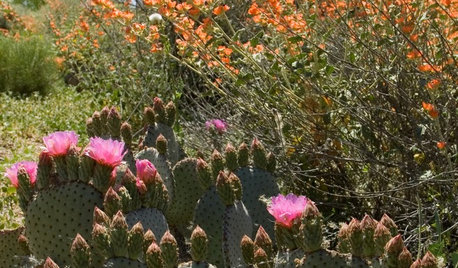
GARDENING GUIDESGreat Design Plant: Beavertail Prickly Pear Wows With Color
The dazzling magenta flowers of this cactus will snag your heart — just beware the bristles that can stick in your skin
Full Story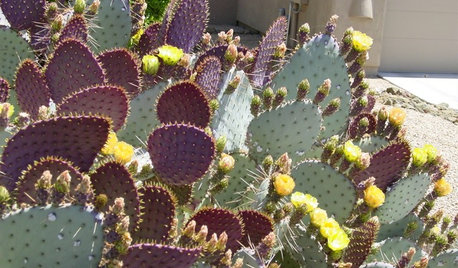
GARDENING GUIDESGreat Design Plant: Santa Rita Prickly Pear for Purple Appeal
Distinctive colored pads and yellow flowers make this cactus a favorite in Southwestern gardens
Full Story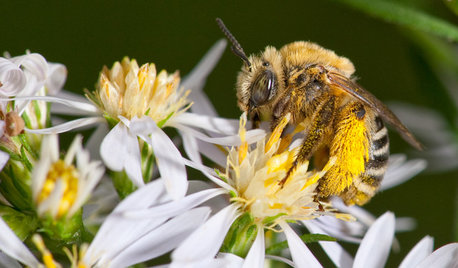
GARDENING GUIDESLook for Long-Horned Bees on Summer's Flowers
These insects are busy in the garden come summer and fall, pollinating sunflowers, coneflowers, asters and more
Full Story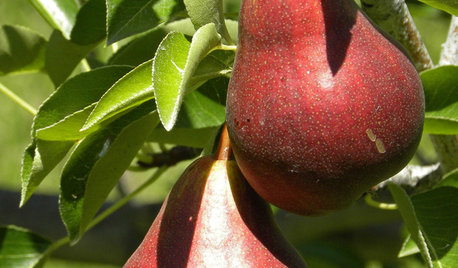
EDIBLE GARDENSHow to Grow Your Own European and Asian Pears
Try these trees for their good looks, delicious fruit and wide range of sizes — plus you can espalier them
Full Story
DIY PROJECTSMake a Beautiful and Long-Lasting Driftwood Centerpiece
Add succulents to found wood for an easy arrangement that looks straight from a designer florist's shelf
Full Story
FLOWERS AND PLANTSFlame Acanthus Attracts Butterflies and Hummingbirds All Summer Long
Texas native Anisacanthus quadrifidus var. wrightii peps up drought-tolerant gardens with its dark orange flowers
Full Story
HOUSEPLANTSGet Spring-Like Hyacinth Blooms All Winter Long
Try one of these forcing methods for cheery, colorful flowers to brighten wintry days
Full Story
FLOWERSGet Coneflower Blooms All Summer Long
Plant these 5 native species to bring beauty to the garden — and pollen to the insects — from June through August
Full Story
SPRING GARDENING7 Spectacular and Practical Spring-Flowering Trees
Put on a beauteous show in the garden with a landscape tree awash in flowers — just do your homework first
Full StorySponsored

Columbus Design-Build, Kitchen & Bath Remodeling, Historic Renovations
bpgreen
Related Professionals
Pensacola Landscape Architects & Landscape Designers · Tallahassee Landscape Architects & Landscape Designers · Portsmouth Landscape Architects & Landscape Designers · Lima Landscape Architects & Landscape Designers · Glenwood Springs Landscape Architects & Landscape Designers · Sebring Landscape Contractors · Westminster Landscape Contractors · Rocky Mount Landscape Contractors · Logan Landscape Contractors · Salt Lake City Landscape Contractors · Cincinnati Architects & Building Designers · Saginaw Architects & Building Designers · Fargo Architects & Building Designers · Huron Architects & Building Designers · Temecula Architects & Building Designers