

Foliar feeding peppers
14 years ago
Sort by:Oldest
Comments (7)
Related Stories
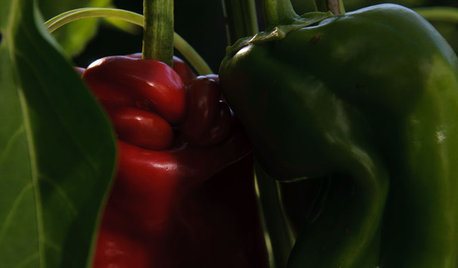
GARDENING GUIDESSummer Crops: How to Grow Peppers
Some like 'em hot; others like them sweet. With the incredible range of peppers available for home gardens, you can have your pick
Full Story
DESIGN PRACTICEHow to Set Up Your Design Studio at Home
Learn from an architect how to create a workspace that fuels your practice and feeds you inspiration
Full Story
GARDENING GUIDESCalifornia Gardener: What to Do in July
Active green thumb or not, top priorities for peak fruit and veggie season: watering, feeding, keeping up with growth
Full Story
GARDENING AND LANDSCAPINGWorld of Design: 10 Home Gardeners Show Us Their Sweet Summer Harvests
From New York to Tokyo, these gardeners have turned their yards, terraces and rooftops into places of bounty
Full Story
SPRING GARDENINGSummer Crops: How to Grow Strawberries
Pluck your own sweet strawberries right from the garden vine for smoothies, salads or eating then and there
Full Story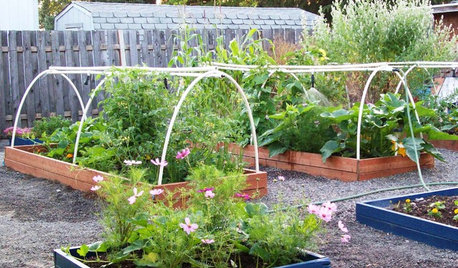
BENEFICIAL INSECTSAttract Pollinators for a Productive Edible Garden
You can lure bees, butterflies and birds into your yard with the right flowers and nesting spots
Full Story
TRADITIONAL HOMESHouzz Tour: An Island Cottage Built of Stone and Steel
A home in Scotland’s Inner Hebrides blends original materials with a new structure to stay in tune with its environment
Full Story
PRODUCT PICKSGuest Picks: 20 Fantastic Bookends
Literature, comics, travel guides ... whatever provides your reading fix, you’ll find a bookend here to match
Full Story
HOUZZ TOURSMy Houzz: Geometric Detail Inspires Artful Home
New Jersey painter and stained-glass artist uses her home as the ultimate canvas
Full Story
GARDENING GUIDESLush, Foodie Abundance in a Small Urban Garden
This modest backyard garden provides its owner with fruit and vegetables all year round, thanks to an innovative low-maintenance approach
Full Story
Sponsored
Edymnion
bugbiteOriginal Author
Related Professionals
Cookeville Landscape Architects & Landscape Designers · Rockford Landscape Architects & Landscape Designers · Mission Viejo Landscape Architects & Landscape Designers · Pueblo Landscape Architects & Landscape Designers · Vancouver Landscape Architects & Landscape Designers · Washington Landscape Contractors · Anniston Landscape Contractors · Fresno Landscape Contractors · West Palm Beach Home Builders · Knoxville Home Builders · Wichita Falls Home Builders · Omaha Home Builders · Binghamton Home Builders · Temecula Home Builders · Fairbanks Home BuildersUser
bugbiteOriginal Author
greenman28 NorCal 7b/8a
Edymnion
bugbiteOriginal Author