

Tomato soil
16 years ago
Sort by:Oldest
Comments (3)
Related Stories

GARDENING GUIDESGardening Solutions for Heavy Clay Soils
What’s a gardener to do with soil that’s easily compacted and has poor drainage? Find out here
Full Story
GARDENING GUIDESHow to Stop Worrying and Start Loving Clay Soil
Clay has many more benefits than you might imagine
Full Story
GARDENING GUIDESHouzz TV: Make a Worm Bin for Rich Soil and Happy Plants
A worm-powered compost bin that can fit under a sink turns food scraps into a powerful amendment for your garden. Here’s how to make one
Full Story
EDIBLE GARDENSSummer Crops: How to Grow Tomatoes
Plant tomato seedlings in spring for one of the best tastes of summer, fresh from your backyard
Full Story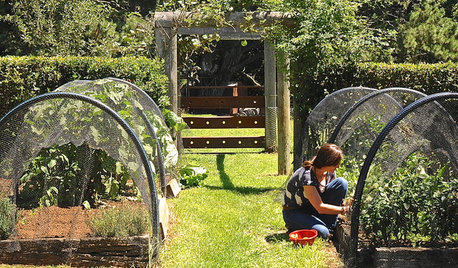
FARM YOUR YARDHouzz Call: Home Farmers, Show Us Your Edible Gardens
We want to see where your tomatoes, summer squashes and beautiful berries are growing this summer
Full Story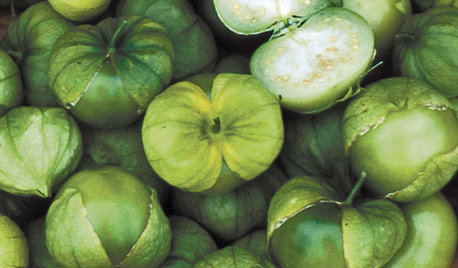
SUMMER FRUITS AND VEGETABLESSummer Crops: How to Grow Tomatillos
Grow this Mexican native for the freshest salsa verde — and for fewer problems than its tomato cousins
Full Story0
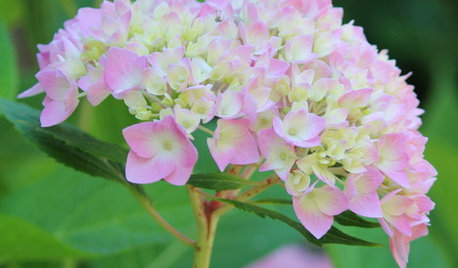
GARDENING GUIDESCalifornia Gardener's June Checklist
Update your hydrangeas, catch up on tomatoes and more ways to enjoy your California garden in June
Full Story
GARDENING GUIDESNortheast Gardener's September Checklist
Pluck those tomatoes, enjoy ever-changing grasses and get an eyeful of exuberant zinnias
Full Story
GARDENING GUIDESMid-Atlantic Gardener's August Checklist
Bring in the bounty of tomatoes, savor the show of grasses and start seeding some cool-season plants
Full Story
GARDENING AND LANDSCAPINGBuild a Raised Bed to Elevate Your Garden
A bounty of homegrown vegetables is easier than you think with a DIY raised garden bed to house just the right mix of soils
Full Story


colokid
digdirt2
Related Professionals
Fort Myers Landscape Architects & Landscape Designers · Pittsburgh Landscape Architects & Landscape Designers · Madison Landscape Architects & Landscape Designers · San Luis Obispo Landscape Architects & Landscape Designers · Temecula Landscape Architects & Landscape Designers · Covington Landscape Contractors · Bartlesville Landscape Contractors · Mankato Landscape Contractors · Olean Landscape Contractors · Queens Landscape Contractors · Cookeville General Contractors · Duluth General Contractors · Kalispell General Contractors · Ogden General Contractors · Vernal General Contractorsmitanoff