

Lining a raised bed with plastic
21 years ago
Sort by:Oldest
Comments (7)
Related Stories

GARDENING AND LANDSCAPINGBuild a Raised Bed to Elevate Your Garden
A bounty of homegrown vegetables is easier than you think with a DIY raised garden bed to house just the right mix of soils
Full Story
FARM YOUR YARDHow to Build a Raised Bed for Your Veggies and Plants
Whether you’re farming your parking strip or beautifying your backyard, a planting box you make yourself can come in mighty handy
Full Story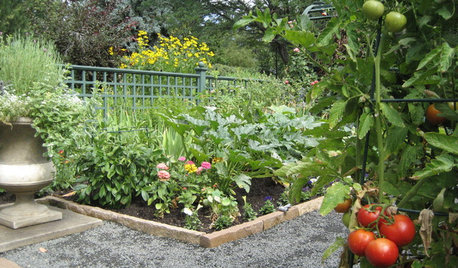
SPRING GARDENINGInspiring Raised Beds for Fall and Spring Planting
Make Your Next Vegetable Garden Even Better with Beautiful Boxes and Paths
Full Story
GARDENING AND LANDSCAPINGGarden Edging: Clean Lines for Your Landscape
Brick, Metal, Wood or Concrete Edging Helps Keep Your Garden In Shape
Full Story
GARDENING GUIDES8 Materials for Raised Garden Beds
Get the dirt on classic and new options for raised vegetable and plant beds, to get the most from your year-round garden
Full Story
EXTERIORSWhere Front Yards Collide: Property Lines in Pictures
Some could be twins; others channel the Odd Couple. You may never look at property boundaries the same way again
Full Story
WINDOW TREATMENTSRoller Shades Raise the Curtain on Style
The humble window treatment is stealing the scene with fresh patterns, color and pizzazz
Full Story
CONTEMPORARY HOMESHouzz Tour: Strong, Modern Lines Stand Up to the Trees
Modernism takes kindly to the New York woods, with double-height ceilings for openness and a burbling creek for music
Full Story
GARDENING AND LANDSCAPINGKeep Your Garden in Lines
Lines move through a landscape with power. See how this classic design element can energize and order your own garden
Full Story
BATHROOM DESIGNBathroom Details: Show Off Your Sink Line
You heard right. Exposed sink traps have gone stylish, with more materials and matching fittings than ever
Full Story
username_5
username_5
Related Professionals
Richmond Landscape Architects & Landscape Designers · Aurora Landscape Architects & Landscape Designers · Greenfield Landscape Architects & Landscape Designers · Lancaster Landscape Architects & Landscape Designers · Gainesville Landscape Contractors · Middlesboro Landscape Contractors · Nashua Landscape Contractors · Bronx Landscape Contractors · Poplar Bluff Architects & Building Designers · Sedalia Architects & Building Designers · York Architects & Building Designers · Lafayette Architects & Building Designers · Temecula Architects & Building Designers · Garden City Architects & Building Designers · Kalispell Architects & Building Designersmonika1
castorpOriginal Author
Ray Scheel
username_5
Ray Scheel