

Soil puzzle
17 years ago
Sort by:Oldest
Comments (2)
Related Stories
HOUZZ TOURSMy Houzz: Creative Solutions Transform a Tricky Basement Studio
Structural issues and puzzling features give way to beautiful design at the hands of a can-do Montreal homeowner
Full Story
INDUSTRIAL STYLE9 Imaginative Ideas for Industrial Rebar in the Garden
Inexpensive and unexpected, steel bar from any big-box hardware store can give your landscape an edgier look
Full Story
ARCHITECTUREMust-Have Book: ‘A Field Guide to American Houses’
Be the architectural historian of your neighborhood with this invaluable updated version of a well-researched classic
Full Story
PRODUCT PICKSGuest Picks: Concrete Ideas for Patios and Decks
Look to lightweight fiber cement for functional outdoor furniture and accessories that are heavy on style
Full Story
COLORColor of the Week: Spring Blossom Yellow
Tired of winter yet? Bring on spring with our featured color of the week
Full Story
LANDSCAPE DESIGN15 Great Ideas for a Lawn-Free Yard
End the turf war for good with hardscaping, native grasses and ground covers that save water and are easier to maintain
Full Story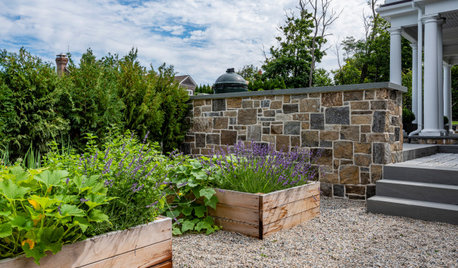
GARDENING GUIDES9 Ways to Be Water-Wise in the Edible Garden
Consider these tips to get a healthy backyard crop that uses less water
Full Story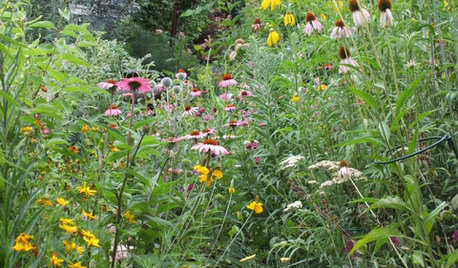
GARDENING FOR BUTTERFLIES3 Ways Native Plants Make Gardening So Much Better
You probably know about the lower maintenance. But native plants' other benefits go far beyond a little less watering and weeding
Full Story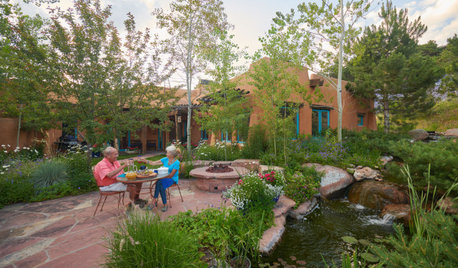
WORKING WITH PROSWhat Do Landscape Architects Do?
There are many misconceptions about what landscape architects do. Learn what they bring to a project
Full Story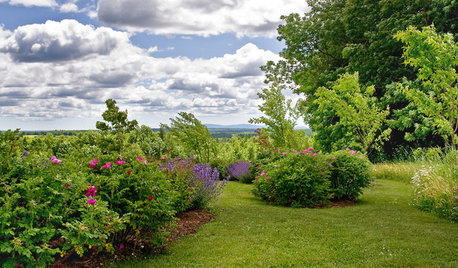
LANDSCAPE DESIGNYour Mini Guide to Great Garden Edges
Get the scoop on trenches to the skinny on bender board, to help keep your garden beds as tidy as you like
Full Story


corrie22
hautions11
Related Professionals
Rock Hill Landscape Architects & Landscape Designers · Binghamton Landscape Architects & Landscape Designers · Honolulu Landscape Architects & Landscape Designers · Paducah Landscape Contractors · Newburyport Landscape Contractors · Kearney Landscape Contractors · Tucson Landscape Contractors · Lancaster Landscape Contractors · Valdosta General Contractors · Aiken General Contractors · Barnstable General Contractors · Binghamton General Contractors · Las Vegas General Contractors · Dickinson General Contractors · Salt Lake City General Contractors