

Would this work for tomato plants?
17 years ago
Sort by:Oldest
Comments (2)
Related Stories

EDIBLE GARDENSSummer Crops: How to Grow Tomatoes
Plant tomato seedlings in spring for one of the best tastes of summer, fresh from your backyard
Full Story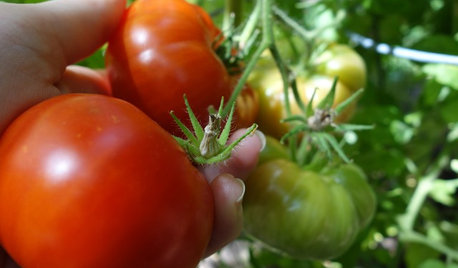
LIFEKitchen Traditions: Tomato Season Meets a Family Legacy
Somewhere a Sicilian great-great-grandmother is smiling at a bowl of American-made sauce
Full Story
ARCHITECTUREHouzz Tour: Fresh Ideas in a Former Tomato Packing Shed
A formerly metal-clad structure is now a beautiful wood home designed to capture the light and preserve open space
Full Story
EDIBLE GARDENSGarden BFFs? Why Your Vegetables Are Begging for Companion Plants
Foster friendships among plants for protection from pests, pollination support and color camaraderie
Full Story
EDIBLE GARDENS7 Edible, Pretty Wonders of the Plant World
It's OK to like them just for their looks, but these flowers, trees and greens have a tasty side too
Full Story
FARM YOUR YARDHow to Build a Raised Bed for Your Veggies and Plants
Whether you’re farming your parking strip or beautifying your backyard, a planting box you make yourself can come in mighty handy
Full Story
GARDENING GUIDESMid-Atlantic Gardener's August Checklist
Bring in the bounty of tomatoes, savor the show of grasses and start seeding some cool-season plants
Full Story
GARDENING GUIDESEdible Plants That Double as Ornamentals
Try growing these tasty plants with your ornamentals for an attractive garden and fresher meals
Full Story
GARDENING GUIDES12 Edibles Perfect to Plant in Late Summer
Keep those homegrown vegetables and greens coming well into fall
Full Story
EDIBLE GARDENSGreat Design Plant: Roselle Tantalizes With Beauty and Flavor
Call it a fruit or a flower or a sweet vegetable. This hibiscus is so lovely, all that matters is calling it forth in your garden
Full Story
Sponsored


carolyn137
anneyOriginal Author
Related Professionals
Little Rock Landscape Architects & Landscape Designers · Cambridge Landscape Architects & Landscape Designers · Elkton Landscape Architects & Landscape Designers · Muskegon Landscape Architects & Landscape Designers · Saginaw Landscape Architects & Landscape Designers · Selma Landscape Contractors · Ottumwa Landscape Contractors · Milwaukee Landscape Contractors · Los Angeles Landscape Contractors · Toronto Landscape Contractors · Montgomery General Contractors · Indianapolis General Contractors · Middletown General Contractors · Leominster General Contractors · Murrieta General Contractors