Software
Houzz Logo Print
cathd66

vermi-powering seed compost

17 years ago

I've just started an experiment with adding vermi-power to some regular compost without having to wait weeks for fully composted vermicompost:

Researchers have found that adding vermicompost or worm castings to seed compost can enhance germination and reduce diseases such as damping off, so I was determined to give it a try this year.

Unfortunately the bottom tray of my can of worms still contains a fair bit of undigested matter. For obvious reasons I don't want that on my windowsill exposed to flies etc. So I thought I'd try an alternative method of adding vermi-power to my compost.

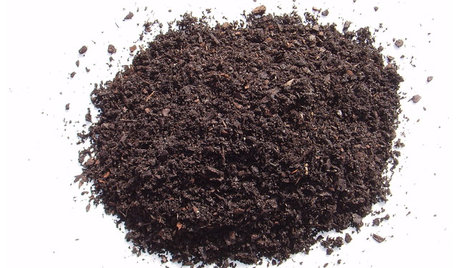
I took about 10 litres of unused, finished garden (not vermi) compost, sieved it and placed it in a plastic crate. Then I added 600g of worms. I added some food to the system, just to help the worms settle in, but there should be a fair number of microbes and organic matter in the compost for the worms to consume- my hope being that in a week or two, most of the compost will have passed through the worms' intestines and have been âÂÂvermi-fiedâÂÂ.

I've posted photos on my blog- not sure how to do it here

Here is a link that might be useful: my blog

Comments (11)

  • 17 years ago

    Well the power of worm castings to helping seeds germinate. I can say that it seems that all the cantaloupe seeds that go into the worm bin seem to germinate as soon as I put worm compost into seed trays. This would be great if I was intending to grow cantaloupe in all those seed trays. Gets real confusing when I an trying to grow other plants in the same family though as all the seedlings look similar.

  • 17 years ago

    I use my worm bin as a germinating medium now. I just push side the bedding, scrap up the worm crap, sprinkle the seeds, and cover the whole thing back again and water. In a couple weeks I have a literal garden growing inside

  • 17 years ago

    I thought of that, but I need to plant some things in modules to minimise root disturbance when they're planted out.

  • 17 years ago

    After only three days, the texture of the compost in the bin has altered and there is a significant amount of castings stuck to the cloths at the top. I wonder has any one worked out how much casting per day your average worm poops out????

  • 17 years ago

    cath66:

    Your idea seems interesting. I am confused by how you are doing what you are doing, even though I had a look at your blog.

    If you are worried about the compost summoning unwanted creatures on the window sill, you might want to consider Winter Sowing. There is a forum for it.
    What we do is put seeds in soil, then in containers with holes in them, we sort of make mini-green houses, then put them OUTSIDE.
    Most people use used plastic milk jugs, some use old take out containers, all sorts of things...
    I might try your idea of using some vermicompost, perhaps patches of newspaper laced with worm poop, in one of my milk jugs to start some seeds.
    Audrey

  • 17 years ago

    I have heard/read from several different sources that damping off is caused by fungi in the planting mix. That's why one starts seeds in sterile soil-less mix. I doubt if vermicomposting eliminates all fungi. You'll get some seeds to grow for sure, but you'll probably have more success with a different planting medium. Seeds don't need fertilization to germinate and that's the big benefit of VC. Can you say more about this study you referred to? Is it available online?

  • 17 years ago

    Some of the references:
    http://www.codis2008.ch/documents/posters/P13-Lazcano-Session4_1.pdf
    http://www.ecoyardfarming.com/wormcompost/seed-germination-trials-with-vermipost/
    http://www.redwormcomposting.com/interviews/interview-with-allison-jack/

    Damping off is caused by a fungus, but the spores can be in the air, so even seedlings in sterile compost can be affected. According to one of the references, the organisms in vermicompost seem to somehow 'confuse' the fungal spores and prevent them from finding the emerging seedling.
    Also there seems to be some kind of growth hormone simulating compound which encourages plants to develop healthier roots. If you think about it, it makes sense from an evolutionary point of view. If an organism depends on plant biomass for its own growth and development, the individuals which help plants to grow would have a better chance of surviving to the next generation.

    But my main problem with outdoor germination is slugs. No matter where I try to germinate seeds, in pots, in the garden shed, in beds, anywhere, the slimy little *****'s find them. And the soil's too cold yet to apply nematodes. I don't use conventional slug killers in the garden, and even the organic ones aren't a huge amount of use until you have a plant to protect. So by giving the plants a good start, I keep ahead of the slugs. At least that's the plan... Last two years it was so wet here in Ireland that the slugs won the battle.

  • 17 years ago

    You will never be bothered by slugs on your seedlings again if you give Winter Sowing a go.

    "Winter Sowing

    This forum is for the discussion of winter sowing, the planting of seeds outdoors in winter."

  • 17 years ago

    Unfortunately our 'temperate' climate has warmed up to such a degree that this year we only got about six or seven nights of hard frost where I live (and this has been a cold winter!)which means that slugs are active even in the depths of winter and they don't really die off. It's got so bad that plants which normally self seed rarely return because the seedlings are munched up before they even put their nose up above the soil surface! This year the slugs are even eating self-seeded 'wild' rocket and they usually leave rocket alone. I have a plastic cloche over a wooden planter and although I have it surrounded with slug barrier, I have to go out every morning and try to pick off slugs by hand- I think they like to shelter away from the cold the poor little pets. Not.

  • 17 years ago

    I really think I might possibly be able to stop those slugs!!
    Or you might be able to, without spending anything, by, putting seeds with seed starting mix into plastic containers, such as used take out containers, or any kind of plastic bottle that is fairly big. THE SLUGS CAN'T GET IN!
    You put snips in the container, top and bottom, you leave the top off if there is one, you cut a large belly container at mid point so you can get seedlings out once they've sprouted, and you tape them semi-shut, and you put them outside. In a month or maybe just weeks now, you will have all sort of happy non- slug-eaten seedlings.

    If you go back to 'other forums' and then go down to Winter Sowing and look at their FAQ I think you will be very interested.

    My sprouts have started sprouting! They are nice and protected from slugs, birds, cats, and sudden freezes by being in these containers until late spring when I'll take them out. After that, I guess you'd have to try other things , like egg shells and I don't know what else...Good Luck!

    I am getting a few more pounds of worms soon in the mail so I will be able to try your idea.
    Audrey

    Here is a link that might be useful: Winter Sowing forum Garden Web FAQs

  • 17 years ago

    I stopped this experiment yesterday because the consistency of my compost had changed so much that I felt it was fairly close to pure castings and I didn't want to leave the worms in it. Still not sure how to post photos- but I have posted them on my blog:
    http://www.catherinedaly.net/2009/03/result-of-vermi-power-experiment.html

    Here is a link that might be useful: my blog

Sponsored
Peabody Landscape Group
Average rating: 3.5 out of 5 stars8 Reviews
Columbus' Reliable Landscape Design & Contracting