Software
Houzz Logo Print
sdirghalli

Worm bin not doing well

20 years ago

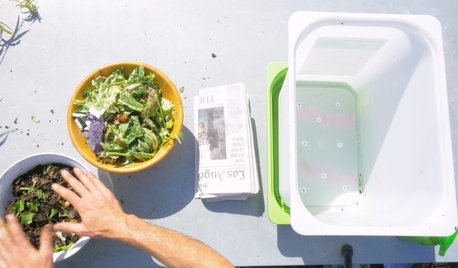
I started a worm bin about 5 weeks ago. I have a square bin with three "tiers" each with a wire mesh bottom. For the first 3-4 weeks it appeared as though all was going well, but over the past two weeks there has been a serious drop off in the number of worms. the very bottom of the unit (below the bottom tier) is designed to catch moisture, but I have had lots of worms falling down and drowning in the water. Could mixing the contents of the bin be responsible for this? To be honest I am becoming frustrated, and any and all help would be appreciated. I have just ordered another pound of worms and am wondering if I should add them to my current bin or if I should start over new.

Comments (13)

  • 20 years ago

    Worms can live in water for a long time. They won't drown, but they will die if the water they are in runs out of oxygen, or they stay submerged long enough to starve to death.

    If you've mixed feed into the bedding and it has heated up, or added too much feed the bedding will sour and the worms will try to escape.

    Did the worms you found in the drain tray appear normal (other than being dead)? Perhaps you have a case of sour crop (protien poisoning). I've read that the clitellum will sometimes swell with protien poisoning, and they will become lethargic and aimless before they die.

    How often and how much are you feeding them?

    I would clean out the bin and replace the bedding, if it was me. Be sure to keep all the cocoons/eggs you find.

  • 20 years ago

    I feed them every 3-4 days, and each time, I give the whole thing a mixing. Asside from being dead, they appeared to be normal looking. I know they can survive in water for while, but the water smelled terrible and I knew that couldn't be good. I don't know whether or not this has any affect on the worm population but there are a fair amount of ants in the bin. As for the protein issue, I have not put anything into the bin other than bedding (shredded paper) plant material (vegitable leftovers) and a small amount of dirt for grit. The thing that has me puzzled is that the worms are supposed to be top feeders and those that I do find are always at the very bottom. Thanks for your help.

  • 20 years ago

    "I feed them every 3-4 days, and each time, I give the whole thing a mixing."

    NO! Never, EVER mix the bedding or mix the feedstock into the bedding. Mixing green feedstock into the bedding is asking for the mix to heat up and kill the worms.
    Protien poisoning (sour crop) is when too much feedstock is added (especially if mixed into the bedding). The large volume of decomposing material creates acids and gasses that are toxic to worms.

    Worms will most definately drown and die in water. Worms need to stay moist to support mucus membranes that process oxygen, but they can't breath in water.

    You should prevent the worms from exiting the lowest tray by lining it with newspaper or several layers of paper towels.

    The ants are also a very bad sign.

    I would suggest that you harvest the bin and get the worms into fresh bedding WITHOUT ants. Do not mix the bedding - just lightly cover feedstocks with bedding. Relocate or otherwise ensure against ants getting in your bin.

  • 20 years ago

    Isn't there some kind of drain or spigot in the bottom (collection) tray of your bin? If so, it should always be left open, so that the water can drain out and air can get in. This should also prevent the worms from drowning! Worms will probably always make their way into this lowest tray; for some unknown reason, they seem to love it down there. I find it helpful to fill this collection tray with shredded paper. It buoys up the worms above any collecting moisture and gives them a "ladder" to climb back into the upper trays, once they're through slumming. The goopy paper can periodically be rotated into the upper trays, worms and all (mixed with fresh, dry bedding if it's very wet).

  • 20 years ago

    Thanks for your help! I have ordered another pound of worms, but am now trying to figure out if I should abandon my current bin and start fresh or if I could just add the new worms to my existing bin (I would add a thick layer of bedding on top and then add the worms to this new layer). If the majority feel I should start fresh, can you give me tips to help ensure that I get it right this time?

    Again, thanks for your input.

  • 20 years ago

    Abeysdad is right in that you need to remove the worms into a new environment to save them in the mean time. You will be able to use the current bin once everything settles down, maybe in a week to two(what do you think Abeydad?) Follow the other advise he gave and you shoud have a good bin in a couple of weeks.

  • 20 years ago

    Sounds good, but how do I:
    A - get the worms out?
    B - get the ants out of the bin once I have removed the worms.

    or, are you suggesting that I get the worms out and ditch the contents of the bin, clean it out, and start anew?

  • 20 years ago

    Harvest the worms, clean the bin and begin again with fresh bedding. Let the contents of your existing bin age outside and then it can be used as top dressing IF the ants are gone. BYW, how did the ants get in there?
    And remember to put a good layer of something in the bottom tray to prevent worms from entering the leachate collection area.

  • 20 years ago

    Abbeysdad - thanks for the advice. Pardon my ignorance, but how would I harvest the worms? After I have let the contents age, and after I have confirmed that there are no longer any ants in it, I can add it to another worm bin? I will put a layer of (non-shredded) news paper over the bottom of the tray to prevent the worms from dropping below. The bin is outside, and that's how the ants got in. After I have done as you suggested, I will be placing the entire bin in a plastic tub with water in it to prevent future ant infestations.

  • 20 years ago

    If that bin has legs on it it would be better to put each leg in a small can of oil of some kind because water will evaporate and be gone and the ants will be back before you know it. cooking oil will work. might even use a little water and put some oil in it also to keep it from evaporateing.

  • 20 years ago

    wfike - thanks for the tip, I was going to attempt to keep on top of it by filling it constantly with water, but the oil will not only save me the trouble but will save the bin from my procrastination and laziness!

  • 20 years ago

    Do a search for 'harvest' on this forum, or check out this link for tips from another forum:

    Here is a link that might be useful: garden forums

  • 20 years ago

    Check out previous posting for ants. I was told that only fire ants take up residence in a worm bin, and the others are just transient. This was indeed the case with me.

    The one time I did this and had to correct my bin, I took the active tray (the one with food and bedding), and removed any food I recognized, and added some fresh bedding on top. I totally cleaned out the other trays and collection bin, and when I put it back together, the ants never came back, and the ones that were in it took off.

    I did not feed that bin again for at least a week, and I knew things were going well again.

    I also don't let my collection bin have much leachate at all in it. If I notice it starting to collect, I add DRY shredded paper to the top, and it does well to collect the extra moisture as it recycles thru the bin.

    Also, at novemberguest's suggestion, I put all shredded dry paper in the bin above the collection tray. It works great. I still get plenty of worms in the basement, but they are not drowning, and they seem to enjoy it.

    Also, no more stank leachate!

Sponsored
NME Builders LLC
Average rating: 5 out of 5 stars2 Reviews
Remodeling Company in New Albany, Ohio